

Liberian Oil Tanker Beats Iran Guard Threat with New Oman Route
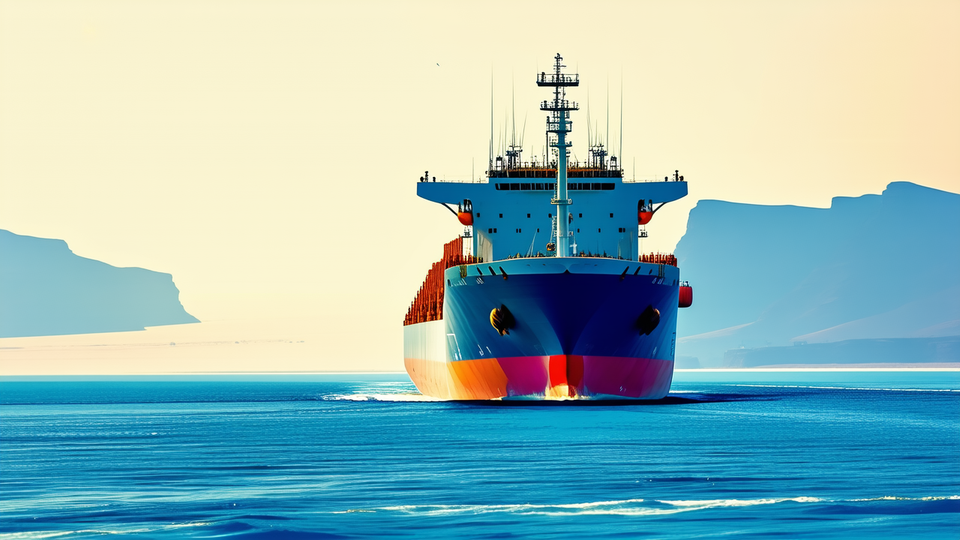
On Thursday, June 25, 2026, a Liberian‑flagged tanker known as the Stoic Warrior emerged from the Strait of Hormuz without incident, despite a series of aggressive statements from Iran’s Revolutionary Guard. The ship opted for a newly approved corridor that runs close to the Omani shoreline, a route promoted by both the International Maritime Organization (IMO) and the Omani government.
The transit began early Thursday morning as the vessel hugged the United Arab Emirates coast before slipping around the Musandam Peninsula, a narrow stretch of Omani territory that offers an alternative to the heavily trafficked central channel of the strait. That central channel, often referred to as the Traffic Separation Scheme, typically carries roughly one‑fifth of the world’s oil and natural gas. In recent weeks, however, Iranian forces have claimed that any passage outside of the route they approve is "extremely dangerous" and have warned of possible missile strikes.
Iran’s Revolutionary Guard issued a stark notice via state news agency IRNA, stating that only the route declared by the Islamic Republic of Iran is lawful and that violators would face severe consequences. Yet no hostile action was recorded as the Stoic Warrior made its way past the Persian Gulf, and several follow‑on vessels trailed behind, confirming that the alternate lane remains operational.
The move comes amid a fragile cease‑fire in the broader region. The United States and Iran recently signed a memorandum of understanding granting a 60‑day window to negotiate details of a broader peace settlement, including safe passage for commercial ships. While high‑level talks continue behind closed doors, public posturing from both sides has intensified, especially after a recent Israeli airstrike in southern Lebanon that reignited concerns about the war’s broader scope.
UAE diplomat Anwar Gargash warned on social media that new geopolitical facts imposed by Iranian aggression could sow long‑term discord. Meanwhile, U.S. Secretary of State Marco Rubio reassured Gulf allies that America remains committed to ensuring that no tolls or fees are imposed on vessels transiting the strait.
Maritime analysts note that while traffic has risen since the conflict’s inception, it is still well below pre‑war levels. Nevertheless, the successful use of the Omani‑adjacent route demonstrates the resilience of global shipping networks and the willingness of carriers to adapt quickly when traditional pathways become contested. The incident also illustrates how international organizations like the IMO can provide practical alternatives that keep vital energy supplies moving, even as diplomatic negotiations falter.
For the oil market, the fleeting dip in crude prices observed on Thursday—briefly dipping below $73 per barrel—suggests that traders are cautiously optimistic that these alternative lanes can mitigate supply disruptions. Yet the underlying risk remains: any further escalation between Iran and its regional adversaries could quickly resurrect the specter of a closed strait.
In summary, the Stoic Warrior’s passage underscores a critical juncture in maritime security. It reflects both the determination of global trade to maintain flow and the ongoing contest of influence in one of the world’s most strategic waterways. The incident will likely serve as a reference point for future negotiations on how the Strait of Hormuz can remain open and safe for all parties involved.





