

Lake Crisis Across the U.S.: Drought, Heat and Algal Blooms Threaten Waterways
Understanding the Growing Threat to U.S. Lakes
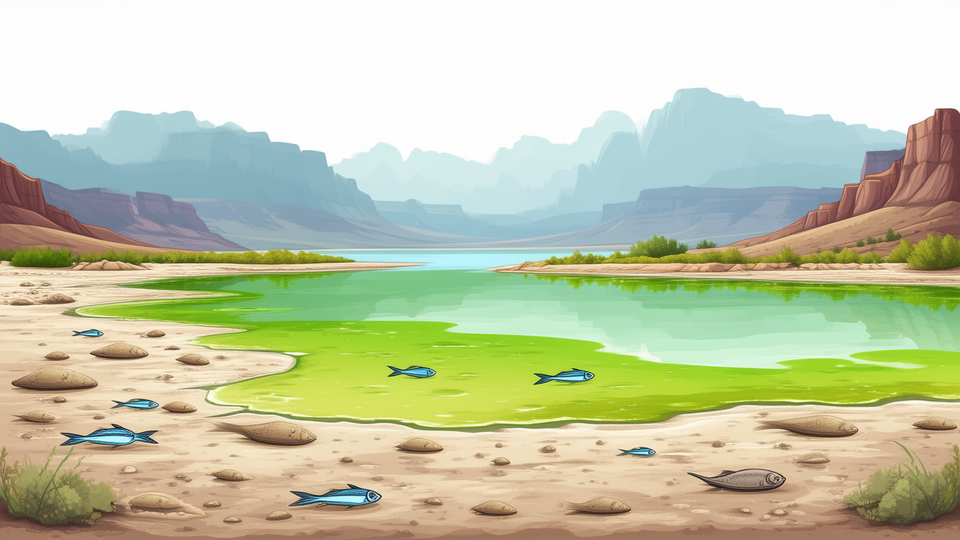
Recent news of a mass fish die‑off at San Carlos Lake in Arizona has drawn attention to a broader, nation‑wide challenge. Scientists say the event was caused by a combination of prolonged drought, rapid water releases from the dam, low water levels, warming temperatures and depleted dissolved oxygen. Together, these factors created conditions that killed virtually all fish in the reservoir.
While the incident was dramatic, similar stressors are emerging in many of the country’s largest water bodies. Lake Mead, the nation’s biggest reservoir, is already operating under official shortage conditions. Inflows have fallen sharply, and forecasts suggest water levels could reach record lows by 2027. As the lake shrinks, it becomes warmer and more stagnant—an environment that encourages harmful algal blooms and reduces the oxygen available to aquatic life.
Lake Powell faces a comparable crisis. Currently about 25 percent full, the reservoir has little buffer against continued dry conditions. Experts warn that without significant water‑saving measures, the Colorado River system could experience a broader “system crash” by 2028, threatening water delivery to millions of people downstream.
Beyond the Southwest, other iconic lakes are showing alarming trends. The Great Salt Lake in Utah has lost more than 70 percent of its water, leading to higher salinity that endangers brine shrimp and other organisms at the base of the food web. In the Great Lakes region, Lake Erie’s recurring toxic algal blooms are driven by nutrient runoff and warmer water, creating “dead zones” where oxygen levels plummet and fish cannot survive.
Even historically stable lakes are feeling the pressure. Lake Tahoe, though not experiencing a dramatic collapse, is shrinking faster than expected because of climate‑related drought and higher temperatures. Overall, the U.S. Environmental Protection Agency reports that roughly half of all lakes show signs of nutrient pollution and degraded water quality.
The common denominator across these diverse water bodies is the interaction of three forces: reduced inflow from drought, higher temperatures that accelerate algae growth, and increased nutrient or pollutant loads that fuel those algae. When algae die, they consume oxygen, creating conditions that can kill fish, disrupt ecosystems and compromise the water supply for nearby communities.
Addressing this looming crisis will require coordinated water‑management strategies, pollution‑reduction efforts, and climate‑adaptation measures. Without action, the risk of widespread lake collapse could grow from a series of isolated events into a national environmental emergency that impacts wildlife, recreation, and the essential water resources that support millions of Americans.





