June 9, 2026: Speaker Johnson and President Trump Convene Over Section 702 Renewal
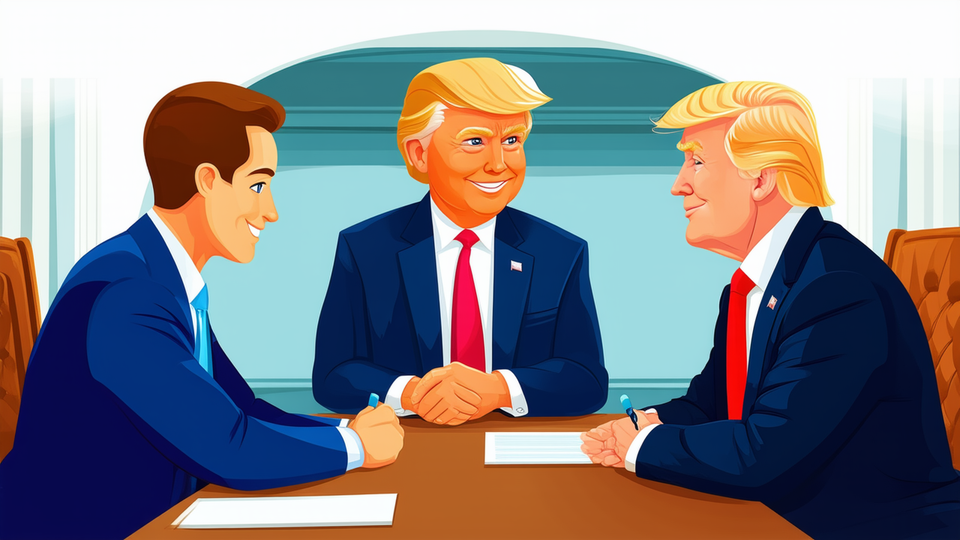
On June 9, 2026, the White House became the site of a high‑stakes conversation as House Speaker Michael Johnson arrived to discuss urgent national security concerns with President Donald Trump. The focal point was the impending expiration of Section 702 of the Foreign Intelligence Surveillance Act (FISA), a cornerstone of U.S. foreign intelligence gathering set to lapse on June 12 unless lawmakers reach a renewal agreement.
Section 702 permits U.S. intelligence agencies to collect the communications of foreign targets located abroad without a court warrant, while also allowing the examination of communications that include U.S. citizens. The program has been criticized for sweeping up American data, yet it remains a powerful tool for counterterrorism and other national security missions.
President Trump’s decision to install Bill Pulte – a former housing‑finance regulator with no intelligence background – as acting director of national intelligence has become a flashpoint. Demandingparty lawmakers argue that Pulte’s lack of experience poses a risk to the integrity of the intelligence community and has hardened opposition to any Section 702 renewal that fails to address concerns raised by privacy advocates.
In the hours before the deadline, Senator John Thune and other GOP leaders warned that failure to secure a nominee acceptable to both parties could force Congress to withhold the billion–dollar authority. Democratic senators, led by the ethics chair, have threatened to use the law’s potential lapse as leverage to demand reforms.
The debate centers not only on the extension itself but also on broader questions of transparency, privacy, and the proper balance between civil liberties and national security. If the bill fails to receive the required 60 votes, Section 702 would be left dormant, crippling agencies’ ability to collect foreign intelligence and potentially giving adversaries a widened window.
Both sides emphasized that a lapse could create a “significant gap in foreign‑intelligence collection,” a risk that cannot be overstated for a nation confronting ongoing international threats. The meeting’s outcome remains uncertain; it underscores the widening divide in Congress over the future of U.S. surveillance policy and the role of a presidentially appointed intelligence chief.