June 8, 2026: Israel‑Iran Flare‑up Tests Trump’s Diplomatic Grip
Israel‑Iran Flare‑up Tests Trump’s Diplomatic Grip
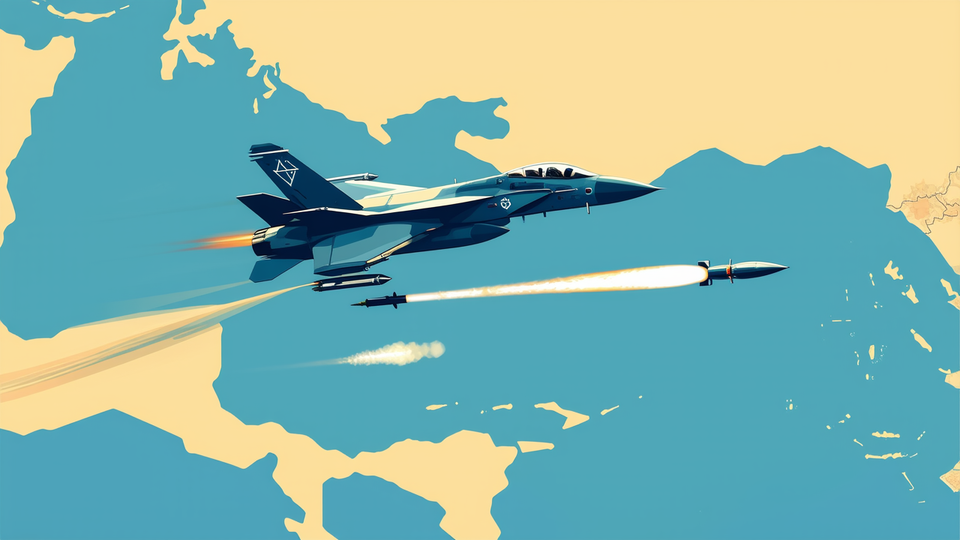
On the evening of June 8, 2026, Iran launched a series of ballistic missiles at Israel after Tehran’s leadership cited a recent strike on Beirut as justification. The retaliation prompted Prime Minister Benjamin Netanyahu’s forces to bomb Iranian sites for the first time since the ceasefire in April. The swift exchanges brought the Middle East back to the brink of a larger confrontation between Washington and Tehran.
President Donald Trump, who had urged Netanyahu to refrain from retaliation, found his diplomatic authority challenged. In a press briefing the following day, Trump stated that Israeli planes were “already on their way” when he spoke with the prime minister, however he denied that Netanyahu had defied him. Despite the back‑and‑forth, tactics suggested that Washington provided at least limited consent for Israel’s counter‑strike, while still seeking to keep the larger U.S. and Iran negotiations intact.
For Tehran, the exchange was a tactical win. An Iranian presidential spokesperson noted that the strikes enhanced the country’s negotiating position, highlighting diplomacy and defense as the “two wings of national power.” Tehran’s leadership pushed for two key goals in talks with the United States: early sanctions relief coupled with the unfreezing of billions of dollars tied to oil revenues, and a restriction on Israeli military activity against Hezbollah in Lebanon. These demands align with Iran’s broader strategy to link its ceasefire with Washington’s, thereby extracting concessions from the U.S. by threatening renewed hostility.
Washington’s response was marked by a measured tone. Trump’s remarks indicated that a final deal on Iran’s nuclear programme could be reached within “two or three days,” with the opening of the Strait of Hormuz contingent on such an agreement. He also stated that he would not lift any sanctions or unfreeze assets before a comprehensive deal, a stance that has stalled progress and compounded economic pressure on Iran.
Beyond immediate military concerns, the incident highlighted structural vulnerabilities in the region’s fragile ceasefires. The web of alliances and ceasefire agreements remains dysfunctional, a reality that has only worsened in the months since the U.S. and Israel launched their war on Iran. The episode underscored the limits of Trump’s ability to restrain Israel, the risk of further escalation, and the potential for the United States to be pulled deeper into a renewed Middle Eastern conflict.
As U.S. midterm elections approach, Washington faces the dual challenge of maintaining a credible negotiating posture with Tehran while containing Israel’s actions to avoid a spill‑over into broader regional hostilities. The June 8 flare‑up serves as a stark reminder of how quickly fragile diplomatic gains can be undone by rapid military responses and the complex interplay of national interests.