

June 26, 2026 – Venezuela Earthquake Rescue Efforts and U.S. Supreme Court Asylum Ruling
Venezuela Earthquake and U.S. Asylum Decision
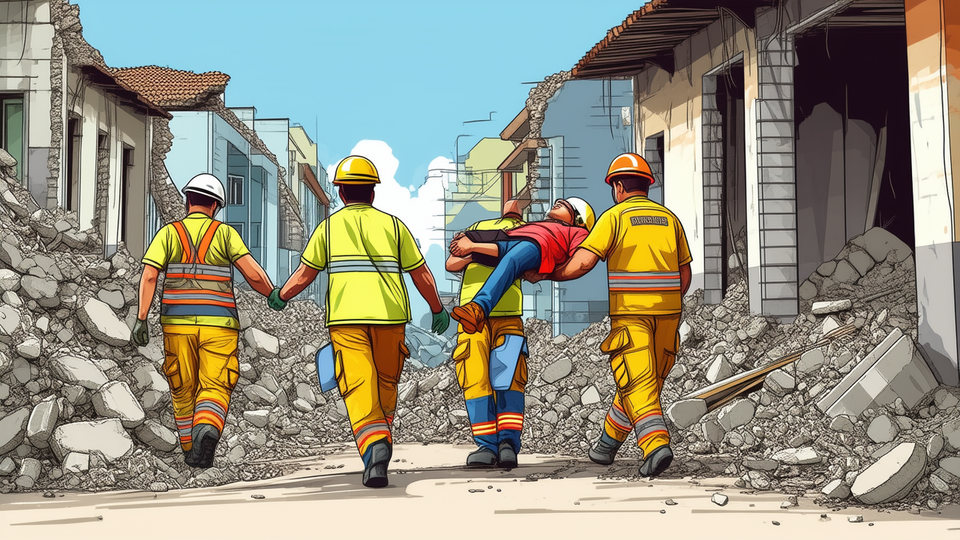
In the early hours of June 26, 2026, two powerful quakes struck near Caracas, the capital of Venezuela, with magnitudes of 7.2 and 7.5. The double‑hit, known as a doublet, caused widespread collapse of buildings, leaving at least 235 people confirmed dead and thousands injured. Rescue crews, volunteers, and humanitarian groups moved quickly into the devastated neighborhoods, pulling survivors from debris, setting up temporary shelters in parks, and delivering food and medical supplies. The scale of the disaster overwhelmed local resources, prompting donation drives from Venezuelan communities abroad, particularly in Texas and other parts of the United States.
While rescue operations continue, experts note that the proximity of the earthquakes to densely populated areas amplified the tragic toll. Geologists explained that the brief 39‑second gap between the quakes intensified ground shaking, making structures more vulnerable. The response effort will likely extend for weeks as authorities assess structural safety, provide long‑term housing, and address the mental health needs of displaced families.
On the same day, the U.S. Supreme Court issued a landmark ruling that changes the nation’s approach to asylum seekers. In a 6‑3 vote, the Court held that federal law permits the government to prevent asylum claims from individuals who have not yet set foot on U.S. soil, effectively allowing the administration to turn away people at the border. The decision also affirmed the administration’s authority to dismantle Temporary Protected Status for hundreds of thousands of immigrants, including those from Haiti and Syria, who were previously shielded from deportation.
This ruling has immediate implications for vulnerable populations worldwide, particularly those fleeing conflict or natural disasters like the recent Venezuelan earthquake. By narrowing the legal avenues for asylum, the Court’s decision may limit safe‑haven options for Venezuelans seeking refuge from the aftermath of the quakes. Human rights advocates argue that the ruling undermines international protections for displaced persons and raises concerns about the United States’ commitment to humanitarian principles.
Both events underscore the importance of coordinated humanitarian response and the protection of human rights. While rescue teams in Venezuela work tirelessly to save lives and rebuild communities, the legal landscape in the United States is shifting in a way that could affect future asylum seekers, including those displaced by natural disasters. The intersecting challenges highlight the need for compassionate policies that address immediate relief and long‑term safety for those affected by crises.





