

June 20, 2026 - King Charles's Tax Declaration Signals New Era of Transparency
Introduction
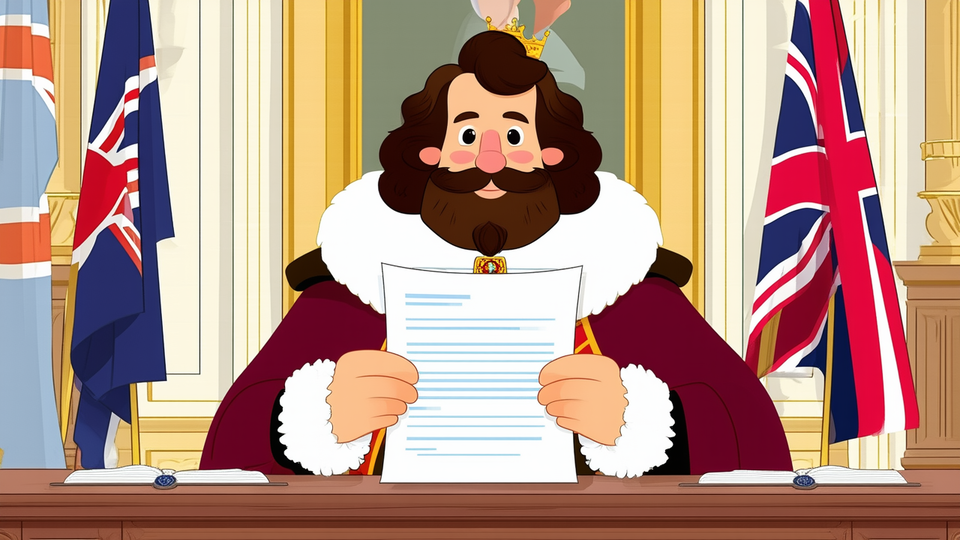
On June 20, 2026 the British monarch made history by publishing his personal tax return for the first time. King Charles III, who ascended the throne in 2022, voluntarily disclosed the amount of income tax he paid on all private earnings, including income from the Duchy of Lancaster, the estates at Sandringham and Balmoral, and his investment portfolio. The move marks a dramatic break from centuries of royal financial secrecy and arrives amid growing public demand for accountability.
What the Declaration Revealed
The king reported a total tax payment of £12.9 million for the 2024‑25 fiscal year. This follows a previous figure of £11.7 million for the year before, pushing the cumulative amount paid since his accession to more than £30 million. Although the United Kingdom’s tax law exempts the sovereign from income and capital‑gains tax, Charles chose to pay voluntarily, a practice begun by his mother, Queen Elizabeth II, when she was Prince of Wales. The declaration also highlighted that the Duchy of Lancaster generated roughly £25.2 million in revenue for 2025‑26, though the exact split of the tax between income, capital gains, and any allowable deductions was not disclosed.
Public and Media Response
Commentators praised the revelation as a step toward greater openness. Supporters argued that publishing the figure, even without a detailed breakdown, helps the public see that the monarch contributes to the nation’s coffers. Critics, however, pointed out that the £12.9 million amount was presented using “psychological pricing” – a figure just below £13 million – and warned that the lack of transparency about how the tax was calculated limits its impact. Members of Parliament called for a full audit of royal finances, noting that the sovereign grant for the upcoming year is set at £99.9 million, a figure that reflects deliberate “charm pricing” to appear more economical. The king’s son, Prince William, also released his own tax details, further reinforcing the royal family’s effort to modernise.
Wider Significance
The disclosure comes at a time when the royal household faces scrutiny over other financial matters, including the controversial rental agreements involving the late Prince Andrew’s daughters and the ongoing investigations into Prince Andrew himself. By voluntarily sharing his tax contribution, the king aims to restore public confidence and demonstrate that the monarchy can evolve alongside modern expectations of fiscal responsibility. Analysts suggest that the gesture may set a precedent for future generations of royals to provide similar financial clarity.
Conclusion
King Charles’s tax declaration represents a historic moment in the United Kingdom’s constitutional tradition. While the figure alone does not answer every question, it signals a willingness to engage with the public on matters of money and accountability. The coming years will likely reveal whether this openness becomes a lasting feature of the modern monarchy or remains a singular, symbolic act.





