

Iran Strikes Cargo Ship in Strait of Hormuz Amid Fragile Trump Deal
Introduction
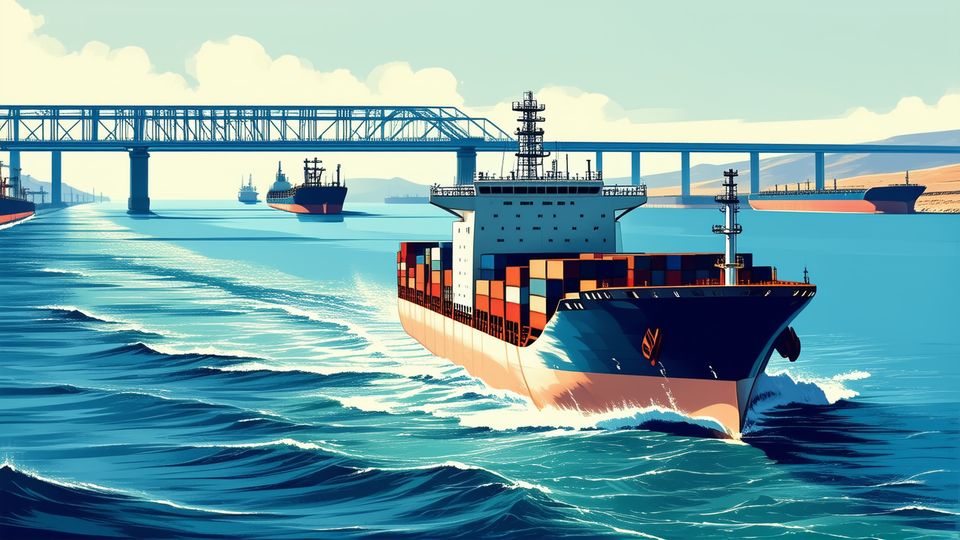
The Strait of Hormuz, a narrow channel that carries roughly one‑fifth of the world’s oil, became the focus of international attention on 25 June 2026 when a cargo ship was attacked while attempting to navigate the passage. The incident unfolded just days after President Donald Trump signed a memorandum of understanding that would lift sanctions on Iran and reopen the strait, provided Tehran guarantees safe passage for commercial vessels. Amid these fragile diplomatic advances, the attack highlighted how quickly the security environment can shift.
Attack Details
According to reports from the Wall Street Journal and the U.K. Maritime Trade Operations Center, an unidentified vessel struck the cargo ship with an unknown projectile near the Omani coast. The United States and Iranian officials both confirmed that the Iranian Revolutionary Guard Corps (IRGC) was responsible for the strike. While the ship’s bridge sustained damage, there were no injuries among the crew. The attack was also noted by the Washington Post and other outlets, though some initial statements said responsibility was “not immediately clear.” Iranian officials had previously warned vessels to use only routes designated by Tehran, a warning that proved prescient in this case.
Strategic Implications
The assault carries significant strategic weight. The strait is a chokepoint for global energy markets; any disruption can reverberate through oil prices and supply chains. The attack prompted the International Maritime Organization to temporarily suspend its evacuation effort for more than 10 000 seafarers who had been stranded during the blockade. This pause reflects heightened concerns over the safety of vessels that do not follow Iran‑approved corridors. Insurance firms such as Allianz noted a “new maritime order” with rising security premiums, while analysts projected that Iran could generate up to $40 billion annually from a post‑war toll regime.
Politically, the strike tested the recently signed U.S.–Iran cease‑fire, which required Iran to restore normal shipping operations. President Trump, addressing farmers shortly after the incident, emphasized that Iran “wants to make a deal with us very badly,” while also asserting that the United States had “knocked the hell out of them.” The rhetoric underscored the administration’s positioning of military strength alongside diplomatic overtures. Meanwhile, U.N. officials expressed concern that the attack could derail negotiations and delay the promised lifting of sanctions on Iran’s oil trade.
Conclusion
The June 2026 attack on a cargo vessel in the Strait of Hormuz serves as a stark reminder that maritime security remains volatile even as diplomatic overtures seek to restore stability. While the incident did not result in loss of life, it halted humanitarian evacuation plans, threatened the flow of a substantial portion of the world’s oil, and placed the fragile Trump‑Iran agreement under acute strain. Continued vigilance and constructive dialogue will be essential to prevent further escalations and to ensure the safe passage of commercial traffic through this critical waterway.





