

Iran Reasserts Control Over Strait of Hormuz Shipping After Vessel Hit
Introduction
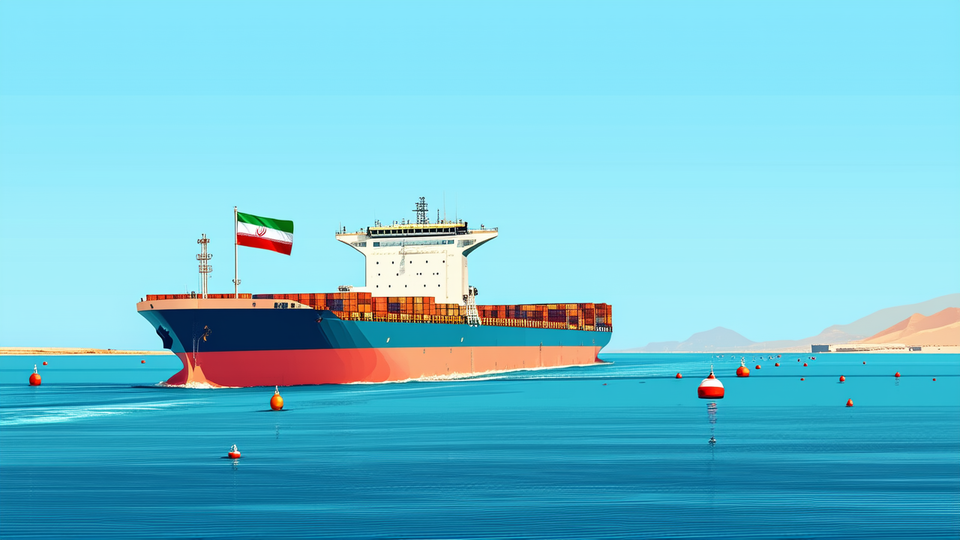
On June 26, 2026 Iran publicly restated its right to control shipping through the strategic Strait of Hormuz after a cargo vessel was struck near Oman. The incident, involving the Singapore‑flagged tanker Ever Lovely, intensified existing tensions between Tehran, the United States and Gulf Cooperation Council (GCC) states, and raised fresh concerns over the safety of a waterway that handles roughly one‑fifth of the world’s oil and liquefied natural gas shipments.
Political Context
Iran’s Deputy Foreign Minister Kazem Gharibabadi warned that safe passage cannot be guaranteed without acknowledging Iran’s role as a coastal state. The United States and six Gulf states issued a joint statement rejecting Iran’s demand to levy tolls on vessels, calling for “free, unconditional, and unrestricted navigation.” U.S. Secretary of State Marco Rubio cautioned that any Iranian threat or blockage would provoke a serious problem. Iran’s foreign ministry countered, blaming the U.S. military presence for regional insecurity and asserting that the strait should be governed by Tehran and Oman under the terms of the recent interim cease‑fire deal.
Iran’s Persian Gulf Strait Authority emphasized that vessels using unauthorized routes bear full responsibility, while the Islamic Revolutionary Guard Corps warned that the newly announced southern corridor, created by Oman and the International Maritime Organization (IMO) without Iranian consultation, is not an approved passage. Tehran also warned against “hostile and interventionist policies” from regional actors.
Shipping Impact
Following the strike, oil prices dipped, and traffic through the strait fell. On the day of the incident, tracking data showed 42 commodity vessels—tankers and dry bulk carriers—crossed the waterway, down from 57 the previous day. Ten vessels entered the Gulf while 32 exited, and half of the traffic used the southern passage hugging Oman’s coast. Earlier that week, 29 vessels had already crossed, with 17 opting for the Omani route despite the recent attack. The IMO temporarily paused its escort program, and the evacuation of mariners stranded by the closure of the strait was suspended pending safety guarantees.
Industry experts caution that the resurgence in traffic does not equate to a return to normal safety conditions. The recent interim agreement has allowed a “ketchup‑bottle burst” of pent‑up demand, but without a clear, jointly accepted navigation framework, the risk of further incidents remains heightened.
Conclusion
Iran’s renewed assertion of control over the Strait of Hormuz underscores the delicate balance between regional sovereignty claims and the global need for uninterrupted energy flows. While the interim cease‑fire framework encourages free navigation, Tehran’s insistence on designated routes and the recent vessel strike highlight ongoing security challenges. Stakeholders—from oil traders to shipping companies—must monitor diplomatic developments closely, as any escalation could quickly reverberate through global markets and maritime operations.





