Inner Monologue Science Episode – 08‑06‑2026
Exploring the Inner Voice
On August 6, 2026, a Washington‑DC‑based episode of the Short Wave science podcast launched a deep dive into the inner monologue—our invisible inner voice. The hosts guided listeners through personal stories from Emily Kwong, who reports that she thinks without words, and Rachel Carlson, who finds her mind in perpetual chatter.
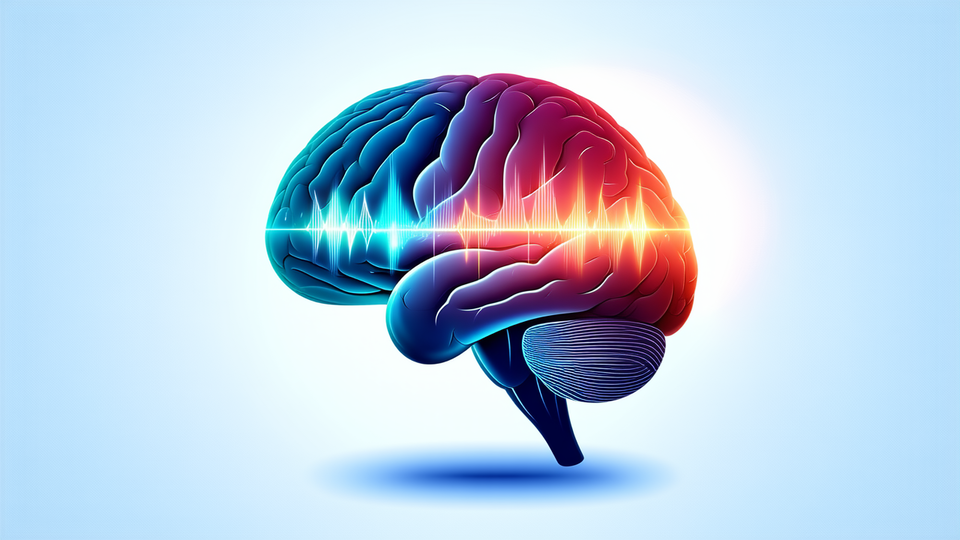
Central to the conversation was Charles Fernyhough, a neuroscientist who studies how people experience "voice hearing"—the sense of hearing a voice in one’s mind that is not spoken aloud. Fernyhough explains that this inner voice is not a separate entity but an internal mapping of the language networks in the brain. When the brain processes speech, it can create a simulated version of that speech in the mind, which feels like self‑talk.
Science of Self‑Talk
Researchers have long suspected that inner speech may engage similar pathways as spoken language. A recent study published in Nature further illuminates this idea. In the study, neurologists used advanced microelectrode probes to record activity in the hippocampus of seven patients undergoing general anesthesia. Despite being fully unconscious, the patients’ brains responded to auditory stimuli: they distinguished regular tones from unexpected “oddball” sounds, and the hippocampus processed even complex narratives in real time.
The hippocampus—traditionally linked to memory—showed predictive coding when listening to language, analogous to how artificial intelligence models anticipate the next word. This suggests that language processing can occur independent of conscious awareness, implying that the neural substrate for an inner voice may be active even when we are not awake.
Implications for Mental Health
Understanding the neural basis of inner monologue has implications beyond curiosity. If inner speech mirrors real‑world language processing, disruptions in this system could underlie certain mental health conditions where self‑talk becomes intrusive. Fernyhough’s research points to both the resilience and fragility of the internal voice, noting that its nature can shift with psychological states.
In the episode, the hosts note that the experience of an inner monologue varies across individuals: some enjoy a calm internal conversation, others a rapid, anxious chatter. This variability reflects differences in how the brain’s language regions and memory networks interact.
Concluding Thoughts
The episode blends personal narrative with science, illustrating that the inner voice is not just a philosophical artifact but a tangible neural phenomenon. By merging expert insight with patient stories, listeners get a comprehensive look at what science tells us about the word‑laden world inside our heads.