Industrial Fires Highlight the Need for Strong Public Safety Measures
Industrial Fires Highlight the Need for Strong Public Safety Measures
Industrial facilities are vital hubs for commerce and production, yet their large scale and storage of flammable materials make them prone to severe fires. Recent incidents in Buntingford, Hertfordshire, and Tracy, California, sparked national discussions on fire response protocols, air quality advisory, and the importance of infrastructure resilience.
Rapid Response and Containment
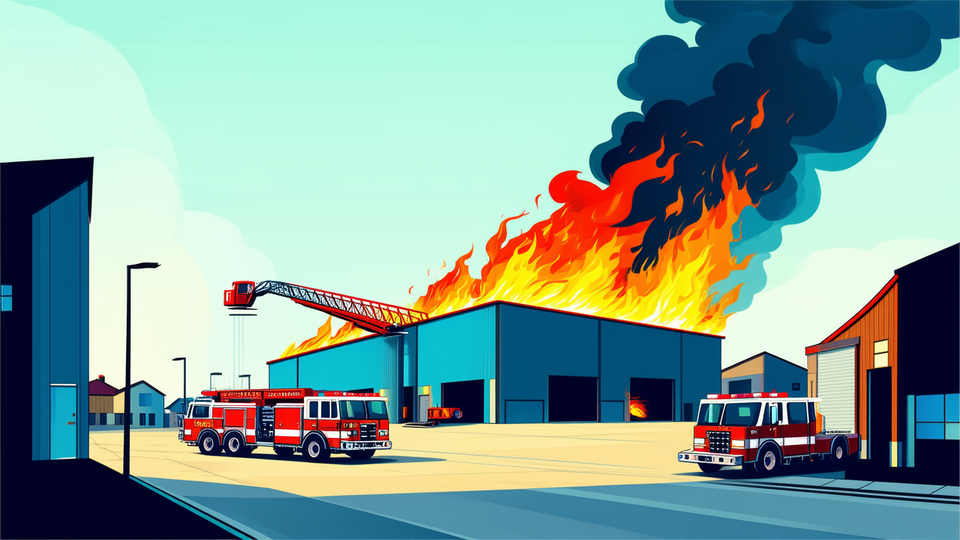
In the Buntingford incident, Hertfordshire Fire and Rescue Service mobilized ten engines and an aerial ladder platform within minutes of being called. Workers prevented the flames from spreading to adjacent units while the fire gutted the Watermill Industrial Estate. The rapid deployment of a large crew and the use of aerial tactics illustrate the critical role of readiness and equipment in limiting damage beyond the original site.
Similarly, the Tracy blaze involved 120 employees and a sprawling 1‑million‑square‑foot warehouse. Fire crews could not fight the fire from inside due to sprinkler failures and a lack of water pressure at nearby hydrants. The fire’s origin on the roof combined with high winds and low humidity created a “unique” event that consumed the building in under an hour. Both cases demonstrate how quick, coordinated action can save lives, even when fire suppression systems fail.
Air Quality and Public Health Guidance
Both incidents released large plumes of smoke that carried toxic gases, carcinogens, and at least one neurotoxin. Authorities in Hertfordshire advised residents to keep windows and doors shut to reduce inhalation of pollutants, while San Joaquin County highlighted the need for indoor air protection. Residents following these advisories helps minimize potential respiratory irritation. In future responses, local governments can share real‑time air monitoring data with communities to inform these actions further.
Transportation and Access Impacts
The Buntingford fire’s road closures on Aspenden Road and London Road disrupted local traffic and underscored the necessity for clear detour plans. Meanwhile, in Tracy, the fire prompted temporary evacuations of surrounding warehouses, including a FedEx facility and an Amazon warehouse. Emergency planners can use these lessons to coordinate with transportation agencies for faster re‑routing and to maintain critical supply chains during emergencies.
Infrastructure Resilience and Policy Implications
The failure of both sprinkler systems and water supply highlighted the need for regular maintenance and inspection of fire protection infrastructure. In policy discussions, lawmakers can push for updated regulations that require redundancy in fire suppression and more stringent inspection schedules. Investment in modern fire alarm and suppression systems can dramatically reduce fire spread, cost of damage, and risk to workers.
Takeaway for Residents
When a nearby industrial fire occurs, residents should: 1) stay indoors with windows and doors shut; 2) avoid using open flames or electrical appliances that can ignite smoke; and 3) follow local advisories from fire services and health departments. By understanding the reported response, residents can make informed decisions that protect themselves and the community.
Conclusion
Industrial fires demonstrate how rapidly an event can grow and affect large swaths of a community. Fast response, clear public advisories, and robust infrastructure form the pillars of effective safety management. As fire risks evolve, coordinated efforts between emergency services, policymakers, and residents are crucial for safeguarding life and property.