

House Democrats Impeach Education Secretary Linda McMahon Over Department Closure Efforts
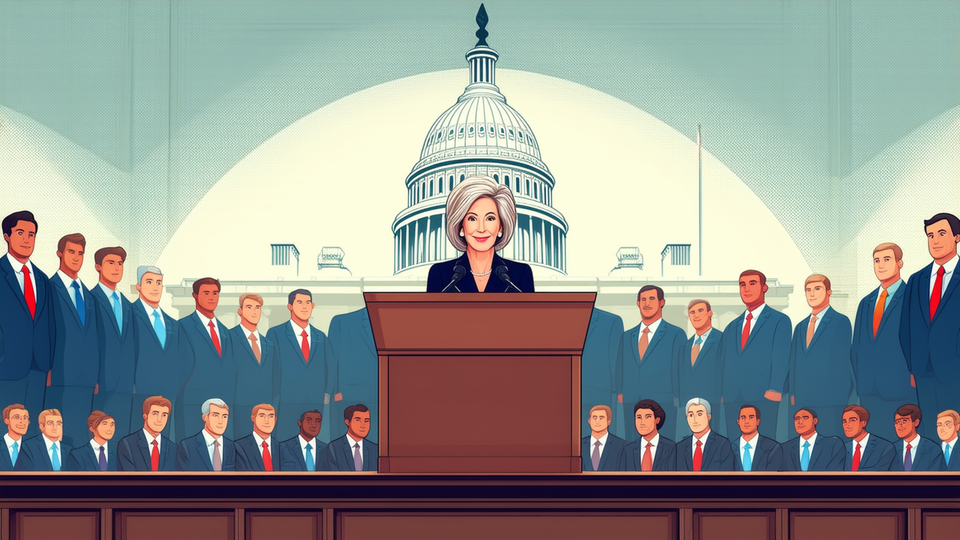
Washington, D.C. – In a historic first for the education cabinet, House Democrats filed articles of impeachment against Secretary Linda McMahon on June 25, 2026. Representative Suzanne Bonamici, a member of the House Education Committee, introduced three charges accusing the secretary of a “willful intent to unilaterally dismantle and eliminate the Department of Education.”
The resolution outlines three specific accusations:
- Willful and systemic refusal to comply with the law. The articles allege that McMahon transferred responsibilities—such as special‑education oversight and civil‑rights enforcement—to the Department of Health and Human Services and the Justice Department, respectively, ignoring congressional authority.
- False statements before Congress. Bonamici’s resolution claims McMahon misled lawmakers during her confirmation hearing by assuring she would follow the law in disbursing education funds, yet she later cancelled research contracts and community‑school grants.
- Breach of public trust. The resolution contends the administration delayed payments for services like migrant education and after‑school care, jeopardizing essential K‑12 programs.
McMahon responded on X, writing, “To the Democrats in Congress: do better.” She defended her actions, emphasizing a focus on reducing bureaucracy and improving student outcomes, while criticizing critics for overlooking chronic challenges such as low test scores, a problematic FAFSA rollout, and pandemic‑related school closures.
Republican Education Committee Chairman Tim Walberg, a co‑chair of the committee, dismissed the proceedings as “political theater,” arguing the secretary is simply implementing President Trump’s agenda to streamline the department. “Secretary McMahon is doing exactly what voters elected President Trump to do: rein in a bloated bureaucracy and put students, parents, and taxpayers first,” Walberg said.
Political analysts note that impeachment of a cabinet member is exceedingly rare. The last successful impeachment of a cabinet official was William W. Belknap, Secretary of War, in 1876. More recent attempts, such as the 2024 impeachment of Homeland Security Secretary Alejandro Mayorkas, failed to advance in the Senate.
Jeffrey Henig, a professor emeritus at Teachers College, Columbia University, called the effort “mostly symbolic,” yet emphasized its potential to draw attention to the broader debate over education funding and federal oversight. Micheal Petrill, president of the Thomas B. Fordham Institute, warned that expanding the definition of “high crimes and misdemeanors” could set a dangerous precedent.
While the Democratic majority in the House must still secure a vote to impeach and the Republican‑controlled Senate would need a two‑thirds majority to convict, the resolution has garnered more than a dozen co‑sponsors. Its introduction signals a deepening rift over education policy, with implications for future federal involvement in school governance.
As the impeachment process unfolds, both parties are likely to use it as a platform to advance their visions for the nation’s education system, making this a pivotal moment in the interplay between legislative oversight and executive authority.





