Hezbollah’s Fibre‑Optic Drone Deployment Tightens the Lebanon‑Israel Standoff
Hezbollah’s New Tactical Edge
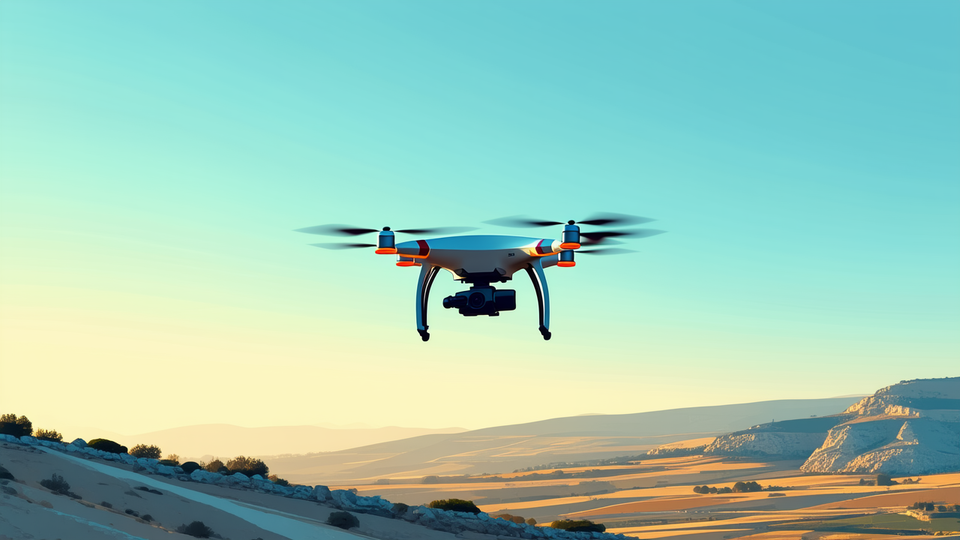
Since late May, Hezbollah has transitioned from traditional rockets to a swarm of low‑flying fibre‑optic drones. These small, low‑altitude devices are anchored to operators via optical cables, making them difficult to detect and jam. Their low sound profile and lack of radio transmission mean Israeli soldiers often have only seconds to react.
The first confirmed attacks came near the Israeli community of Shomera, where a drone struck a car just minutes after a bus had left the town. “The drone came and we rushed into the house,” recalled a local farmer who survived a drone strike months earlier. Amichai Ben David, a peach farmer, said the drones were “a new and different threat.”
Official Israeli data show that eight of the eleven soldiers killed since the ceasefire began on April 24 were hit by fibre‑optic drones. In addition, Israel has recorded more than 100 drone strikes on its civilian population on the Lebanon border since the ceasefire’s inception.
Strategic Implications
Hezbollah’s new weaponry is a direct adaptation of tactics used in the Ukraine war, where Russia used similar drones to disrupt Ukrainian forces. The Israel Defense Forces (IDF) have struggled to keep pace; traditional anti‑aircraft systems can miss these sub‑meter drones.
According to the Alma Research Center, Hezbollah has amassed dozens of trained operators and a significant stockpile of drones costing roughly $300‑$400 each. The IDF’s response has included netting to entangle drones, interceptor drones, and specialized ammunition. Despite these efforts, defenders face a “gap in weapons development” that hinders rapid detection and interception.
Community Dread and Political Fallout
In border communities, fear is palpable. Shomera’s council chief, Sami Zanetti, described life “as a new sense of fear in this battle‑hardened community.” Sirens blare, but with drones, warning lights can arrive only seconds before impact. When the IDF fails to intercept a drone, civilians and soldiers alike face sudden explosions without the ability to seek shelter.
The escalation has strained the ceasefire’s tenuous hold. Israeli political leadership has called for increased offensive action, with defense ministers threatening to target Hezbollah warehouses and buildings in Beirut.
Future Prospects
Helicopter and missile interdiction have become stalled against the droning menace. Consequently, Israel is accelerating research into electro‑optical sensors that feed real‑time data to soldiers’ rifles, potentially giving them a new defensive edge. Ultimately, the conflict may pivot as each side integrates drone technology and counter‑drone systems.
For now, Hezbollah’s fibre‑optic drones remain the most unsettling weapon along the Lebanon border, reshaping Israeli defense doctrine and adding a new layer of urgency to the ongoing ceasefire negotiations.