

Half a Century After Entebbe: Remembering the 1976 Rescue
Introduction
In July 1976 a commercial flight was hijacked and forced to land at Entebbe Airport in Uganda. Over 100 passengers, most of them Israeli or Jewish, were taken hostage by Palestinian and German militants. The crisis lasted six days, prompting intense diplomatic pressure and a global outcry. On July 4, 1976, Israel launched a bold raid that would become one of the most celebrated rescue missions in modern history.
The Rescue Operation
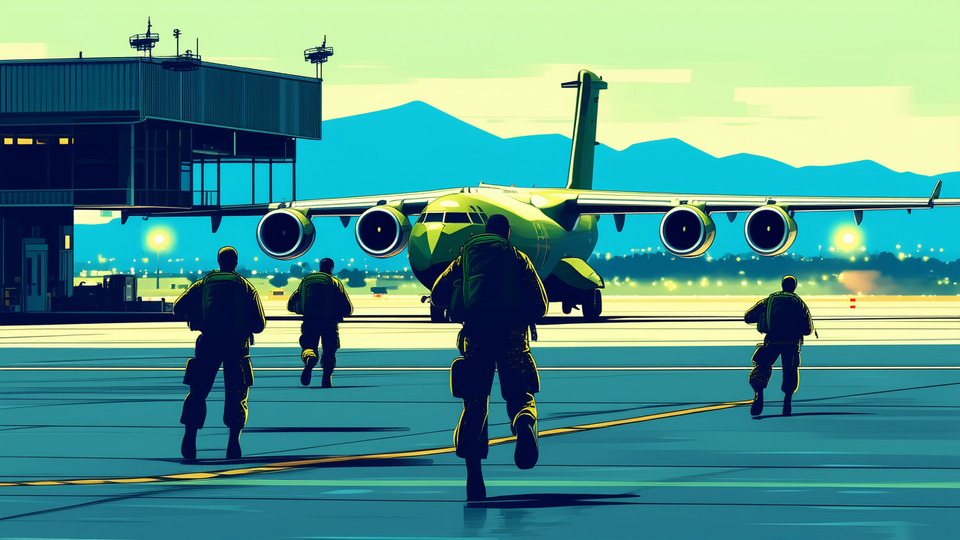
Israeli planners faced a daunting task: fly commandos thousands of miles, land in hostile territory, and breach the airport under darkness. Blueprints of the Entebbe terminal were drawn, transport planes were staged in Kenya, and a team of elite soldiers prepared for close‑quarter combat. The operation lasted less than an hour. Israeli forces stormed the terminal, killing all the hijackers and dozens of Ugandan soldiers while freeing the hostages. Only one commando, Yonatan Netanyahu, lost his life, a sacrifice that underscored the mission’s cost.
Historical Context and Legacy
Newly released classified documents shed light on Israel’s decision‑making process. Initial memos emphasized a strict policy of no negotiations with terrorists, yet the growing deadline and pressure from families forced leaders to consider talks. Prime Minister Yitzhak Rabin’s crisis team eventually authorized the raid when diplomatic avenues stalled. The documents also reveal how the operation was coordinated with France’s negotiations with Ugandan President Idi Amin, highlighting a two‑pronged strategy of diplomatic pressure and military action.
The Entebbe raid set a precedent for future counter‑terrorism responses. Israeli officials noted that while the rescue was a tactical triumph, it did not eliminate the broader threat of terrorism. As one memo reflected, “the problem is not over… terrorism continues to operate.” The mission’s legacy endures in modern military doctrine, emphasizing swift, decisive action balanced with careful risk assessment.
Personal Reflections and Commemoration
Survivors and families continue to honor the bravery displayed that July. Shai Gross, known as the “child from Entebbe,” now an adult, recalled a personal “Entebbe Shabbat” that reinforced his gratitude for life and the heroism of the soldiers, especially Yoni Netanyahu. The stories of hostages, such as Danielle Aloni and her daughter Emilia, echo themes of resilience and hope that resonate with today’s challenges.
Conclusion
Fifty years after the raid, Entebbe remains a powerful reminder of what can be achieved when a nation commits to protecting its citizens. The released archives enrich our understanding of the strategic choices and moral courage that defined the operation. As the world continues to confront terrorism, the spirit of Entebbe—courage, unity, and unwavering resolve—offers a timeless lesson for future generations.





