Granville Street Car-Free Plan Sparks Debate Over Safety and Small Business Impact
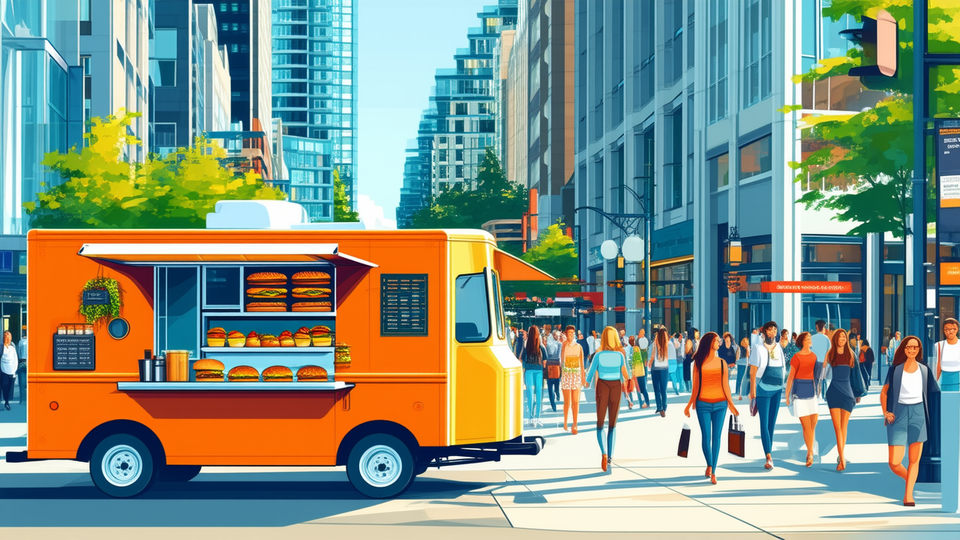
Granville Street Car-Free Initiative
Vancouver is moving forward with a plan to keep Granville Street free of motor‑vehicle traffic, a decision that reflects a broader push for safer, more walkable urban spaces. City officials explain that the pedestrian‑only zone is essential for improving public safety and enhancing the downtown experience for residents and visitors alike.
According to the City of Vancouver, the limited space within the Granville Street Pedestrian Zone requires a six‑metre clearance for emergency vehicles. This safety standard means that street vendors cannot safely enter and exit the closure area each day with their vending units and towing vehicles. As a result, several permitted street vendors, including the long‑standing food‑truck operator Mr. Arancino, have been temporarily relocated to alternate sites such as 700 Robson St., which is adjacent to the pedestrian zone but still presents challenges for business continuity.
Mr. Arancino, who has operated his food‑truck in Vancouver for a decade, described the impact of the relocation on his earnings. He recounted a day during the FIFA Canada game when he expected a surge of customers but instead made only about $300 in eight hours. He expressed frustration that the city’s policy, while well‑intended, left his business “subjugated and relegated to a side street,” feeling that the support promised to small businesses was lacking.
City officials acknowledge the concerns of vendors and emphasize that any relocation must maintain essential emergency access. They note that the decision to keep the street car‑free is driven by the desire to create a vibrant, pedestrian‑friendly environment that encourages walking, cycling, and public transit use, while also reducing traffic congestion and emissions. The city remains committed to exploring other available options within the downtown core to balance safety with the needs of local entrepreneurs.
Community advocates and city planners argue that a car‑free Granville Street can boost long‑term economic activity by attracting more foot traffic, supporting local retailers, and fostering a livelier public realm. However, the transition requires careful planning to ensure that existing businesses are not disproportionately disadvantaged. The ongoing dialogue highlights the importance of integrating safety standards, urban design, and equitable support for small businesses as Vancouver reshapes its downtown core.
Ultimately, the Granville Street car‑free initiative illustrates the complex trade‑offs inherent in modern urban policy. While the goal of a safer, more accessible city center aligns with environmental and public‑health objectives, addressing the immediate concerns of vendors like Mr. Arancino remains essential for the plan’s success and community acceptance.