Grand Jury Skepticism Underscores DOJ’s Handling of Chicago Protest Indictment
Grand Jury Skepticism Underscores DOJ’s Handling of Chicago Protest Indictment
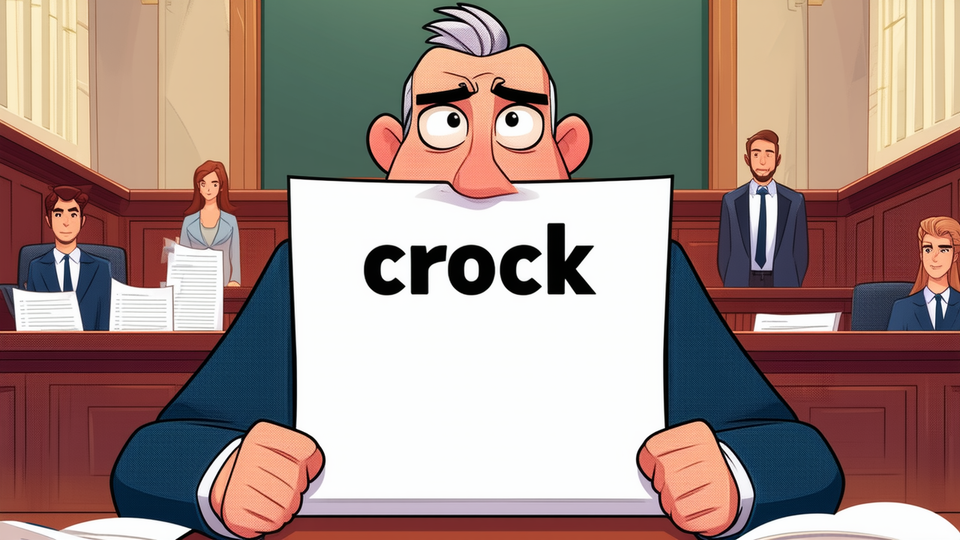
In early October, transcripts from a Chicago grand jury session revealed a heated exchange between a juror and U.S. attorneys over a proposed indictment of six political activists who participated in protests outside a federal immigration detention center. The juror—who remained unnamed in the documents—described the indictment as a “crock” and expressed doubt that the evidence justified criminal charges.
Despite the juror’s skepticism, prosecutors persisted. Over three consecutive sessions in October, the same case was presented to the grand jury. After initially voting against the indictment, a new session eventually led to its approval. The prosecutor’s repeated insistence – even after a prior vote against the indictment – drew scrutiny from a federal judge who has examined the proceedings in subsequent hearings.
Judge April M. Perry, who authorized the release of the transcripts, criticized the procedures involved. She cited “inappropriate vouching” for evidence and the removal of jurors who expressed opposition. The judge’s statements highlighted concerns that prosecutors had deviated from proper grand jury protocol by discussing substantive matters outside the court room and attempting to sway jurors’ opinions directly.
Following the judge’s criticism, the U.S. Attorney’s Office in Chicago, led by Andrew Boutros, dropped all charges against the defendants. The decision came shortly after the judge’s reading of the transcripts and amid growing concern from defense attorneys and other legal professionals.
The incident has sparked broader debate about political influence in federal prosecutions. Over a hundred former attorneys from the office issued a statement describing a “failure of leadership” and warning that political considerations were contaminating prosecutorial decisions. Acting Attorney General Todd Blanche’s earlier support for Boutros has further inflamed speculation about the extent of political pressure behind the case.
Meanwhile, the defendants, known as the “Broadview Six,” have faced prolonged legal fees and personal hardship. According to statements from their attorneys, the case has sustained years of uncertainty, legal costs estimated above one million dollars, and significant disruptions to personal and professional lives.
The release of the transcripts and the surrounding controversy demonstrate the importance of maintaining the integrity of the grand jury process. The case also illustrates how contested prosecutions can erode public trust in the justice system, especially when plaintiffs are political activists and the proceedings appear to be driven by policy agendas rather than solid evidence.
Although the charges were dismissed, the impact on the defendants and the legal community may persist. The scenario underscores the delicate balance prosecutors must strike between law enforcement mandates and the constitutional safeguards—particularly the protections afforded to peaceful protest and free speech.