

Four Takeaways from JD Vance’s New Memoir “Communion”
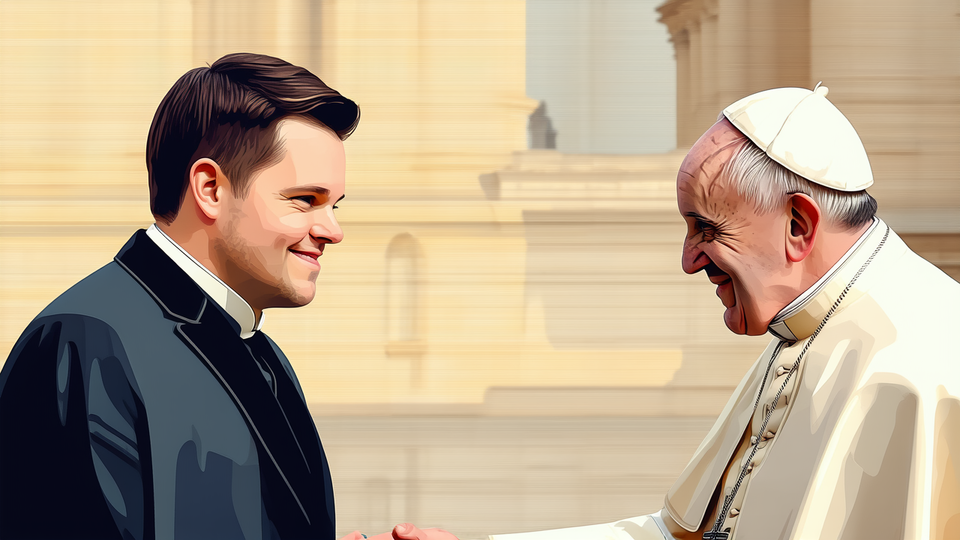
Vice President JD Vance’s latest memoir, Communion, arrives at a crossroads of faith, politics, and personal reflection. Unlike his first bestseller, which chronicled a rise from a struggling Ohio childhood to national fame, this book is less about campaign anecdotes and more about his conversion to Catholicism and how that shapes his public outlook.
Regretting a past insult. Vance finally addresses a comment that haunted his 2021 Senate campaign: his derisive description of “childless cat ladies.” The memoir calls the remark “one of the dumbest things I ever said,” acknowledging it was a distraction from his broader critique of a society hostile to having children. By confronting the mistake, Vance signals an effort to mature publicly, positioning humility as a political virtue.
A tense meeting with the Vatican. The book recounts a 2025 trip to Rome, where Vance met Pope Francis shortly before the pontiff’s death. Vance describes Vatican officials as “unsettling” because they offered only vague criticism of the Trump administration’s immigration policies. He felt the world’s most powerful Catholic voice was unwilling to name specific policies, leaving him frustrated and highlighting the delicate balance between religious authority and political power.
A new GOP blueprint on abortion. Vance argues the Republican Party should move beyond merely opposing abortion to investing in families. He cites the 2023 Ohio referendum that upheld abortion rights as a lesson: restricting choice without supporting families leads to backlash. Vance proposes policies that improve economic conditions for parents, hoping to reduce the perceived need for abortions through ‘eulogy virtues’ rather than ‘resume virtues.’
The second lady’s leading role. Throughout the narrative, Vance credits his wife, Usha, a Hindu who encouraged his return to Christianity, as his most trusted editor and confidante. He notes her influence in both his spiritual journey and the decision about a potential 2028 presidential run. Their interfaith marriage, teenage children, and impending fourth child underscore a personal dimension that shapes his public proposals.
Overall, Communion offers a glimpse of a political figure wrestling with the moral implications of his policies. By centering on faith, family, and forgiveness, Vance attempts to rewrite his public image from a polarizing partisan to a statesman guided by Catholic teachings.





