

Family Hides Upstairs as Cobra Coils Above Kitchen Light for 36 Hours
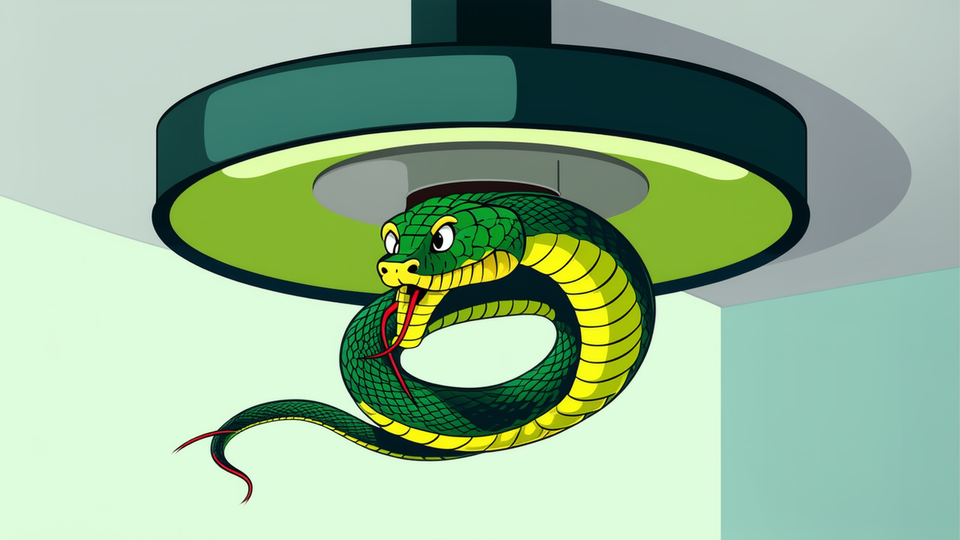
Family Hides as Cobra Coils Above Kitchen Light
In a startling residential encounter, a family in Noida discovered a live cobra tightly coiled inside the fixture of their kitchen ceiling light. Believing the dangling object to be a loose wire, the household quickly realized the danger and made the decision to avoid the area entirely, retreating to the upper floor and remaining there for roughly thirty‑six hours.
During the standoff, the family relied on food deliveries, as they were unable to enter the kitchen where the snake had taken refuge. The presence of the venomous cobra prompted a coordinated response from local animal‑control officials, the Gautam Buddh Nagar Forest Department, and professional snake catchers. Initial attempts to coax the reptile out using water and smoke proved ineffective, and the snake remained concealed within the ceiling cavity.
Authorities eventually employed a specialized powder designed to encourage the snake to emerge. After the application, the cobra left the light fixture and was safely captured. It was later released into the Okhla Bird Sanctuary, ensuring the animal could return to a natural habitat while removing the immediate danger from the home.
This incident underscores a growing pattern of wildlife entering urban residences as natural habitats shrink. Gaps in building construction—such as open ceiling panels, plumbing routes, or unsealed gaps—can provide unintended entry points for snakes seeking shelter or prey. In densely populated areas, especially during monsoon seasons, rodents and other small animals attract snakes, increasing the likelihood of encounters inside homes.
While the Noida family escaped without injury, similar incidents have had tragic outcomes elsewhere. A recent case in Uttar Pradesh resulted in the deaths of two children who were bitten by a venomous snake while sleeping. These contrasting outcomes highlight the importance of rapid, trained response and public awareness of safe handling procedures for dangerous wildlife.
Effective urban planning and building maintenance can reduce the frequency of such events. Prompt reporting to wildlife rescue services, the use of protective equipment by responders, and the release of captured animals into appropriate conservation areas help balance human safety with the preservation of protected species like the king cobra.
As cities continue to expand, fostering coexistence between humans and native wildlife will require ongoing education, community preparedness, and collaboration between municipal authorities and environmental agencies.





