Europe and G7 agree to release up to 100 million barrels of oil and diesel
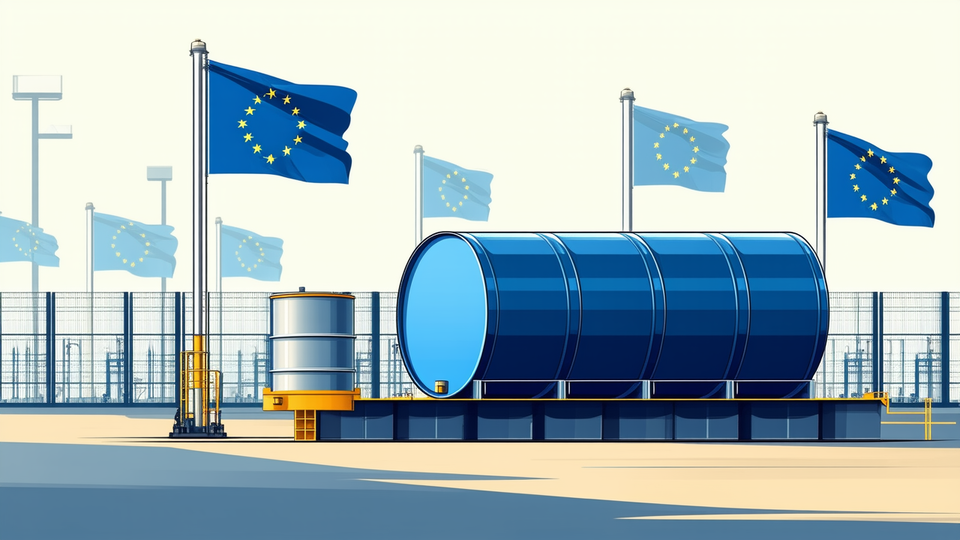
European governments, acting as the G7 bloc, agreed on Oct. 2 to release up to 100 million barrels of oil and diesel from emergency stockpiles, with the International Energy Agency (IEA) overseeing the process over the next four months.
The coordinated release comes after intense pressure from the Trump administration, which warned of a possible U.S. diesel export ban if European reserves were not tapped. By front‑loading a substantial diesel portion within the first 20 days, officials hope to curb the record‑high fuel prices that have burdened motorists worldwide.
IEA executive director Fatih Birol said the announcement prompted an immediate market response, noting, "Prices are starting to fall." Within hours, Brent crude slipped 0.04% to $102.27 a barrel, while West Texas Intermediate fell 1.76% to $91.13.
The IEA previously coordinated the release of 400 million barrels of oil in March after the Iran conflict began, of which roughly two‑thirds have already been drawn down. The new plan does not specify how much of the 100 million barrels will be oil versus diesel, but the front‑loaded diesel delivery aims to ease the pressure on the diesel market, where prices peaked at $6.52 per gallon in late September.
French President Emmanuel Macron, chair of the G7 summit, confirmed the release and emphasized the goal of “production flexibility” to maximise refinery capacity. He also highlighted the group’s broader commitment to restore free navigation through the Strait of Hormuz and to support global energy security.
U.S. officials are preparing an executive order that could expand the use of red‑dyed diesel and adjust taxes to further lower fuel costs. The order is expected within days, adding another lever to address the price surge.
Market observers will watch how the IEA schedules the drawdowns, as the timing and volume of shipments will influence price trends in the coming weeks. The coordinated effort underscores how international cooperation can temper volatile energy markets while diplomatic pressures shape policy outcomes.