

DC Settlement Ends Imperial March Protest Lawsuit, Upholds First Amendment Rights
DC Settlement Resolves Imperial March Protest Lawsuit
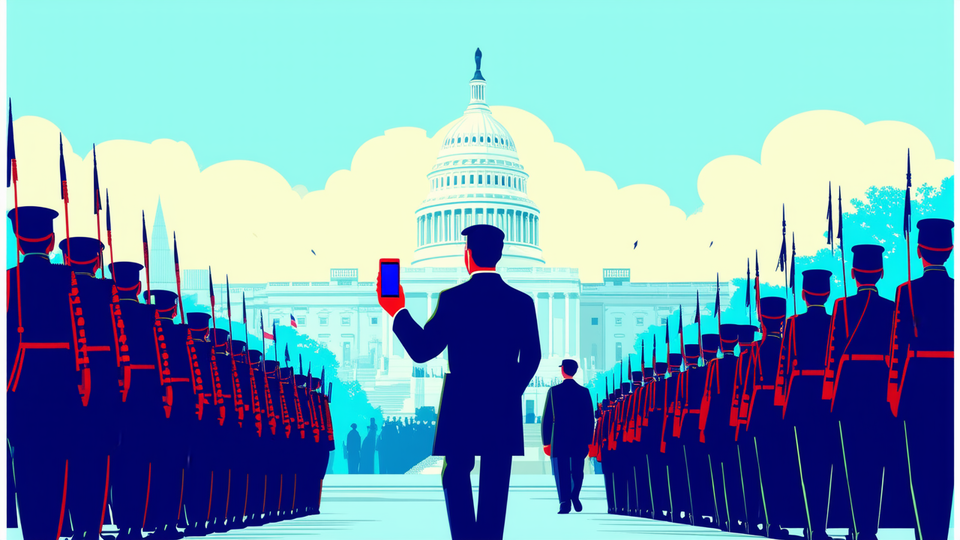
On September 11, 2025, Sam O’Hara walked behind Ohio National Guard troops patrolling Washington, D.C., and played the iconic Imperial March from the Star Wars franchise on his phone. The conduct, intended as a satirical protest against the Trump administration’s deployment of federal forces, led to his detention and handcuffing by Metropolitan Police Department officers. O’Hara subsequently filed a lawsuit alleging violations of his First and Fourth Amendment rights, as well as claims of false arrest and excessive force.
A partial settlement was announced on June 26, 2026. While the exact monetary amount was not disclosed, the settlement requires O’Hara to drop all claims against the District of Columbia and the four MPD officers involved. The agreement does not resolve his pending claims against the Ohio National Guard sergeant, Devon Beck, who had issued the initial warning and was later named in the lawsuit. The court filing indicated that the district’s portion of the dispute was settled, but the Guard-related claims remain active.
The lawsuit highlighted constitutional concerns central to the case. O’Hara’s attorneys argued that the city’s actions infringed upon his First Amendment right to free expression, which protects peaceful protest, and his Fourth Amendment right against unreasonable seizure. The complaint quoted the assertion that “the law might have tolerated government conduct of this sort a long time ago in a galaxy far, far away,” underscoring the symbolic nature of the protest. The settlement, therefore, stands as a reaffirmation of these fundamental protections.
Beyond the individual case, the settlement reflects broader public debate over the federal government’s decision to station National Guard and law‑enforcement resources in the nation’s capital. Critics of the deployment argued that it threatened civil liberties and normalized a militarized presence in a traditionally civilian‑controlled space. The resolution of O’Hara’s case sends a clear message that constitutional freedoms, especially the right to criticize government actions, remain vital even amid heightened security concerns.
In conclusion, the June 2026 settlement resolves the District’s liability while allowing O’Hara to continue his legal challenge against the National Guard member. The agreement reinforces the importance of protecting free speech and due process, reminding authorities that peaceful protest — even when expressed through pop‑culture references — must be respected under the Constitution.





