Colorado Court Reverses Homicide Convictions for Paramedics Involved in Elijah McClain Case
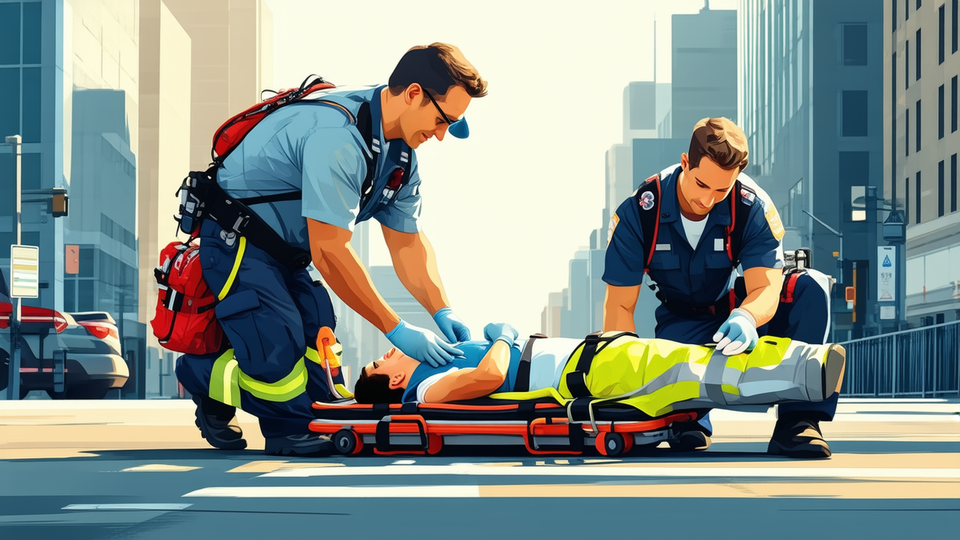
Colorado Court Reverses Homicide Convictions for Paramedics Involved in Elijah McClain Case
On June 4, 2026, the Colorado Court of Appeals overturned criminally negligent homicide convictions against Aurora Fire Rescue paramedics Jeremy Cooper and Peter Cichuniec. The reversal came after a year‑long investigation into the 2019 death of 23‑year‑old Elijah McClain, who died of a suspected ketamine overdose while in police custody.
McClain had been found walking after a store and was detained by police who then forced him to the ground. Paramedics Cooper and Cichuniec arrived shortly thereafter, reportedly administering ketamine to help treat his seizures. McClain’s last words were “I can’t breathe,” a cry that later echoed in the national conversation about police use of force.
In 2023 a juror saw the paramedics’ actions as criminally negligent, finding that they failed to meet the standards of care required for a patient under restraint. The trial judge sentenced one paramedic to 14 months with work release and probation, while the other received five years of imprisonment.
The appellate court upheld Cichuniec’s second‑degree assault conviction but found the jury instructions for criminally negligent homicide inadequate. Consequently, the convictions were reversed and both cases were sent back to the district court for new trials on that charge. As part of the decision, the court recognized that the legal instructions applied to a highly complex scene involving law enforcement, emergency medical care, and an uncontrolled patient.
Cichuniec, however, remained under probation after his sentence was reduced to four years in 2024. Judge Mark Warner cited “unusual and extenuating circumstances” under Colorado’s mandatory sentencing statute, noting the paramedic’s role as a high‑ranking emergency responder compelled rapid decision‑making on a chaotic scene.
The case shines a light on the boundaries of paramedic liability, the interplay between law enforcement and medical protocols, and the broader debate over how states should treat medical professionals who act under intense pressure. It also underscores the need for clear jury instructions that reflect the complexities of emergency response in the presence of police restraint.
Legal analysts note that while the appellate ruling preserves the assault conviction, the new trials for negligent homicide will likely probe whether the paramedics’ use of ketamine was medically justified or a deviation from emergency protocols. The decision may prompt other jurisdictions to re‑evaluate how medical errors are prosecuted when they occur during police‑involved incidents.
For Michigan, the fallout is a reminder that paramedics and other emergency personnel must navigate difficult judgments promptly while contending with the legal weight that can follow their decisions. The outcome may influence training, protocols, and legal protections for EMTs operating in high‑pressure, law‑enforcement situations across the nation.