

Charting Kenya's New Native: Youth, Protests and a Shifting Identity
Introduction
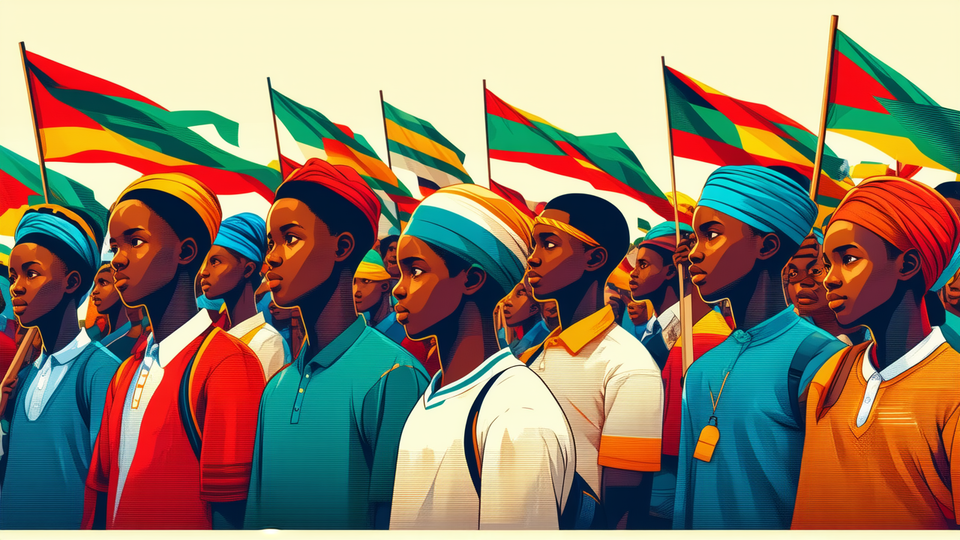
Across Kenya, a fresh generation of citizens is redefining the nation’s sense of self. Inspired by years of political turbulence—from the struggle for independence to the rise of multiparty democracy—today’s youth reject the old order of tribes, clans and denominations. Instead, they seek a shared identity rooted in collective action, social justice, and national solidarity.
Emergence of the New Native
The concept of the “New Native” reflects a profound shift in how Kenyans view themselves. Historically, the native was portrayed as a problem to be managed by ethnic kingpins, civil servants or clergy. Modern voices now describe the New Native as a changeling, a person whose psychology embraces openness, self‑respect and a willingness to challenge entrenched power. This attitude marks a break from the past, where the native was often reduced to a stereotype rather than a full human being.
Protest Unity and Cultural Shift
In 2024, protests erupted in 44 of the 47 counties, uniting students, professionals and community leaders against a controversial Finance Bill. Demonstrators shared water, bandanas, flags and printed t‑shirts, offering each other supplies and rides without asking about tribal affiliation. The mantra "Umoja ni nguvu"—unity is strength—echoed through streets from Nairobi to the coastal towns, illustrating a new spirit of camaraderie that transcended old divisions. Vocabulary from the “Kenyan Gen‑Z Protest Lexicon,” a chapbook chronicling protest language, captured this surge of hope and resistance.
Looking Forward
Leaders like Ngũgĩ wa Thiong’o describe Kenyan identity as a work in progress, a sentiment echoed by the New Native’s quest for economic, political and cultural security. While challenges remain—high taxes, corruption and occasional state violence—young Kenyans continue to demand accountability, transparency and respect for human rights. The emerging identity promises a future where Kenyan citizens see themselves not as isolated groups, but as participants in a vibrant, inclusive nation.





