Castlelake’s £5.5bn Takeover of EasyJet Marks New Chapter for Britain’s Budget Airline
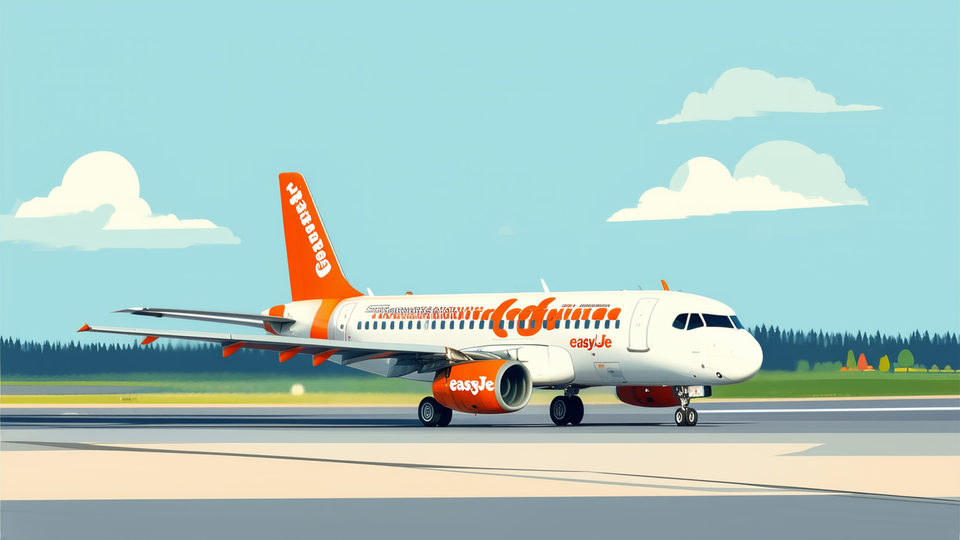
In a deal that could be the largest airline acquisition in Europe in years, U.S. private‑equity manager Castlelake has put forward a £5.5 billion (£690 per share) cash offer for easyJet. The proposal, announced on 7 May 2026, follows weeks of negotiations after earlier bids were rejected as undervaluing the carrier’s assets and future earnings potential.
easyJet’s board has indicated that the latest proposal meets the price level it would recommend to shareholders. If Castlelake proceeds to a formal bid, it must satisfy the UK Takeover Code and obtain approval from the European Union’s aviation regulators, which require any acquiring party to demonstrate effective control by European interests. Castlelake has outlined a structure that includes European partners to meet these ownership‑control rules.
The acquisition would take easyJet private, ending the public‑market era that began with Sir Stelios Haji‑Ioannou’s launch of the airline in 1995. With a fleet of more than 300 Airbus A320 family aircraft serving around 1,200 routes across 35 countries, easyJet holds valuable airport slots and a strong brand that has survived the pandemic and subsequent market volatility.
Industry analysts see the deal as a bellwether for the broader trend of private capital moving into aviation. While airline valuations have lagged behind the recovery in passenger demand, investors like Castlelake see long‑term value in the sector’s scalable assets – slots, fleet, and a loyal customer base – despite short‑term pressures such as fuel price volatility and geopolitical uncertainty.
Regulatory scrutiny will be the biggest hurdle. The UK’s competition authority and the EU’s aviation oversight bodies must be convinced that the transaction will not diminish competition on key short‑haul routes. Castlelake’s deep experience in aircraft leasing and financing is expected to reassure regulators that the airline will retain operational independence and continue to compete vigorously with rivals such as Ryanair and Wizz Air.
For easyJet’s shareholders, the offer represents a premium to the current share price, delivering an immediate return after a year‑long period of undervaluation. For the airline’s employees and customers, the change in ownership could bring fresh capital for fleet renewal and sustainability initiatives, but also raises questions about potential restructuring or strategic shifts.The deal also underscores the strategic importance of European low‑cost carriers in a post‑pandemic travel landscape, where leisure demand has rebounded faster than business travel. As private investors like Castlelake step in, the industry may see a wave of similar acquisitions, reshaping the ownership structure of airlines that have traditionally been public‑listed companies.
Pending a formal announcement and regulator sign‑off by the 3 August deadline, Castlelake’s proposed takeover stands as a defining moment for both easyJet and the broader European aviation market, signaling confidence that the low‑cost model remains a lucrative, long‑term play.