Canada Chooses German Type 212 Submarines to Modernize its Navy
Introduction
On 7 June 2026, Canada revealed its decision to award the submarine contract to Germany’s ThyssenKrupp Marine Systems (TKMS). The agreement covers the construction of up to twelve conventionally powered Type 212CD submarines, a platform that will replace the nation’s ageing Victoria‑class fleet and mark the largest defence procurement in Canadian history.
Strategic Rationale
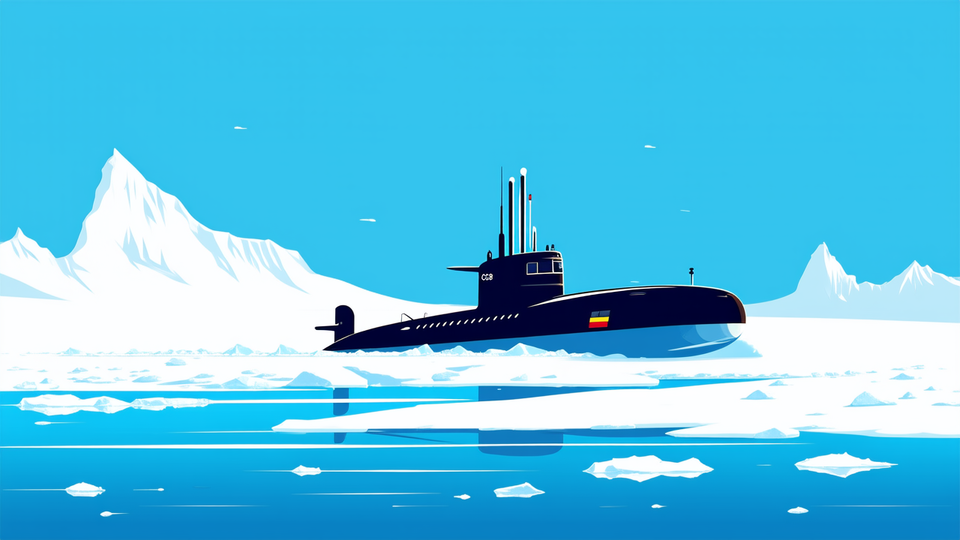
The new boats are designed for extended under‑ice operations, a capability essential for Arctic patrols. By adopting a proven diesel‑electric design with air‑independent propulsion, Canada gains greater stealth, endurance and speed in the challenging northern environment. The selection also aligns with Canada’s broader strategy to deepen military cooperation with European NATO allies, particularly Germany and Norway, and to contribute to collective security in the High North.
Economic and Industrial Impact
While the exact dollar value was not disclosed, officials described the deal as involving “tens of billions of dollars” in procurement and an additional long‑term maintenance and support package that could exceed $70 billion over several decades. The contract includes provisions for Canadian industry participation, allowing local shipyards to produce components or even entire hulls, thereby creating jobs and supporting the domestic supply chain.
Timeline and Delivery
Negotiations are slated to last roughly 18 months, after which construction could start in 2027. TKMS estimates a production rate of three to four submarines per year, meaning the first vessels could be operational by 2035. This schedule supports Canada’s commitment to increase defence spending to 5 % of GDP by that year, building a modern, capable undersea fleet for a rapidly evolving security landscape.
Conclusion
Canada’s choice of the German‑designed Type 212CD submarines reflects a decisive step toward modernising its naval forces, strengthening NATO partnerships, and reinforcing security across the Arctic and North Atlantic. The deal promises significant economic benefits and positions Canada at the forefront of contemporary undersea warfare.