

Call for More Park Rangers After Lincoln Lake Tragedy Highlights Safety Gaps
Tragic Loss at Swanholme Lakes
On the bank holiday weekend, a 15‑year‑old boy named Declan Sawyer drowned in the waters of Swanholme Lakes, part of Hartsholme Country Park in Lincoln. Emergency crews were called after he was found in difficulty, and his body was recovered the same day. The incident has become a stark reminder of the dangers that open water can pose, especially during hot weather and school holidays.
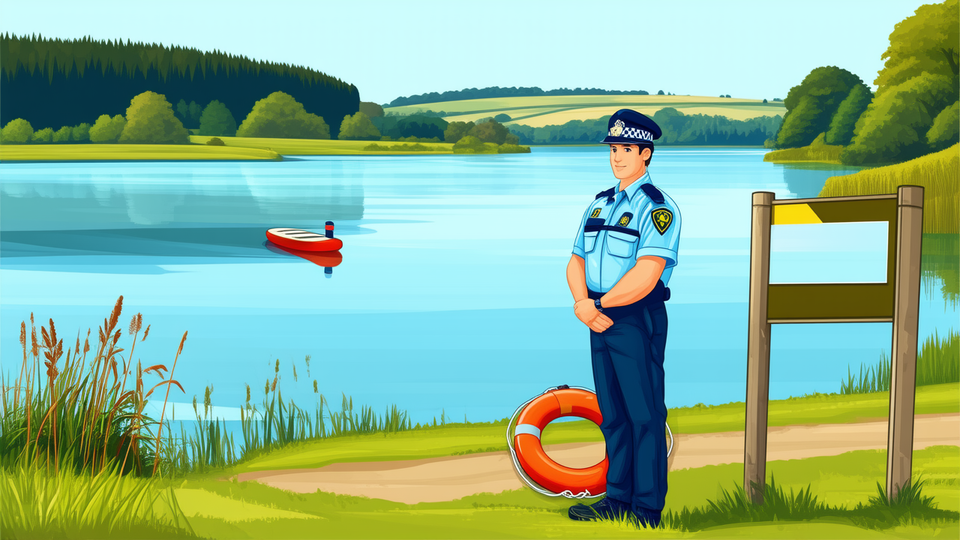
City Council leader Naomi Tweddle described the tragedy as "incredibly heartbreaking" and highlighted that such incidents are being seen across the country. Council member Biff Bean, representing Hartsholme ward, urged the council to restore and expand the ranger service that was reduced in 2013 after funding cuts. He emphasized that a visible ranger presence could act as a deterrent and provide immediate assistance when needed.
The existing park ranger service, in place since 1974, covers Hartsholme and Swanholme Lakes, but officials acknowledge that no single measure can eliminate all risks. Police and fire services stress the importance of public education: avoid entering water unnecessarily, and always swim where experts or lifeguards are present. The council is reviewing additional measures or campaigns to improve safety around the lake.
Community members agree that increased ranger patrols during peak times—hot summer days, school breaks, and busy evenings—could greatly enhance safety. They argue that rangers serve not only as enforcers of rules but also as reassuring figures for families using the parks. The loss of such a service, they say, leaves a gap in supervision and rapid response that can be critical in emergencies.
In response to public concern, the City of Lincoln is considering a review of its ranger staffing levels and possible new safety initiatives. The tragedy underscores the need for coordinated efforts among local government, emergency services, and community volunteers to protect residents and visitors enjoying natural spaces.





