California Residents Decry Rising PG&E Electricity Bills Amid Forecasted Hikes
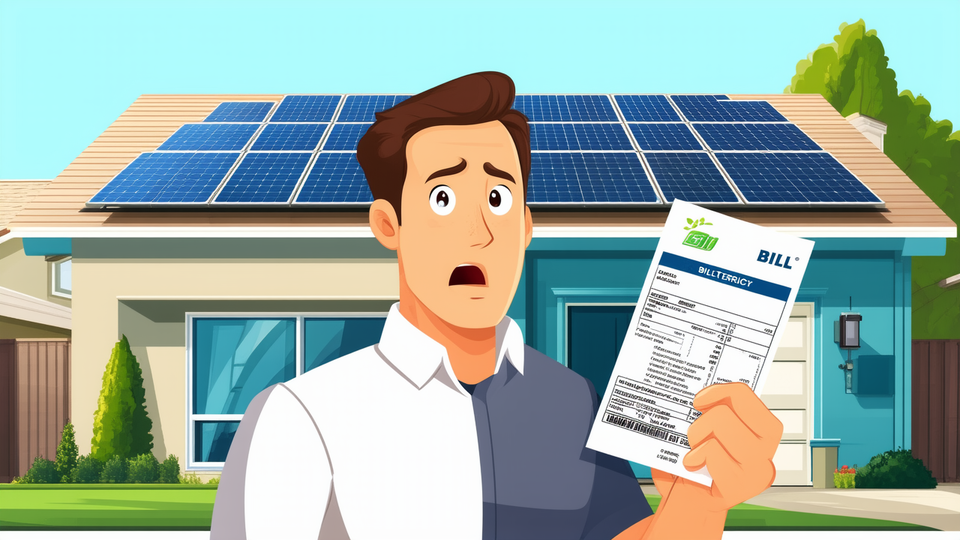
Pacific Gas & Electric (PG&E) serves roughly 16 million customers across 70,000 square miles of northern and central California. For years, the utility’s rates have been a source of frustration, but new data from the California Public Utilities Commission’s Public Advocates Office has raised the stakes dramatically. Their projections indicate that by 2030, the average residential electricity bill could increase by as much as $840 annually, pushing the typical household’s yearly cost to well over $3,500.
Currently, the average PG&E customer pays about $285 per month, or roughly $3,420 a year. While that figure already exceeds the national average, the proposed hikes would make electricity a luxury many Californians cannot afford. Homeowners in high‑cost areas such as the Bay Area and Fresno report bills that already strain budgets; one Bay Area resident disclosed a $9,000 annual bill, while a Fresno family invested $21,000 in solar panels and a backup battery after reaching a breaking point.
The utility’s CEO, Patti Poppe, has publicly asserted that "bills will be flat," a claim that now appears increasingly untenable given the state’s aggressive climate goals. California’s mandate to achieve a carbon‑free grid by 2045, coupled with wildfire mitigation costs and high gasoline prices, has forced utilities to shoulder significant expense, a cost that is inevitably passed on to ratepayers.
Public sentiment is crystal clear: a recent poll by The California Post placed energy affordability at the top of voters’ concerns. The combination of soaring housing costs, high taxes, and now exploding utility bills has fueled a broader exodus from the state, as residents seek more affordable living conditions elsewhere.
In response, many households are turning to renewable solutions. Solar installation companies report a surge in inquiries, and platforms like EnergySage have become go‑to resources for Californians evaluating solar versus grid power. The promise of solar, coupled with battery storage that can protect homes during outages, offers a tangible path to lower long‑term electricity expenses.
However, the transition to solar is not a universal remedy. Upfront costs remain high, and not all homes are suitable for panel installation. Moreover, the grid’s overall health remains critical for those who cannot afford a full solar setup, especially during peak demand periods.
Legislators and regulators now face pressure to balance climate objectives with the immediate need for affordable electricity. Proposals range from revisiting rate‑setting formulas to offering greater incentives for low‑income households to adopt solar technology. Until a sustainable solution emerges, Californians are likely to continue voicing their discontent, demanding accountability from PG&E and tighter oversight from state agencies.
For now, the message from consumers is unmistakable: they are fed up with stratospheric bills and expect concrete action, not empty assurances.