Bangladesh PM Tarique Rahman's First Overseas Trip Aims to Boost Investment and Jobs
Introduction
On June 20, 2026, Bangladesh’s newly elected Prime Minister Tarique Rahman began his first overseas trip since taking office. The itinerary took him first to Kuala Lumpur, Malaysia, and then to Dalian and Beijing, China. The visit was framed as a mission to attract foreign capital, generate employment, and signal Bangladesh’s broader foreign‑policy priorities.
Investment and Job Creation Goals
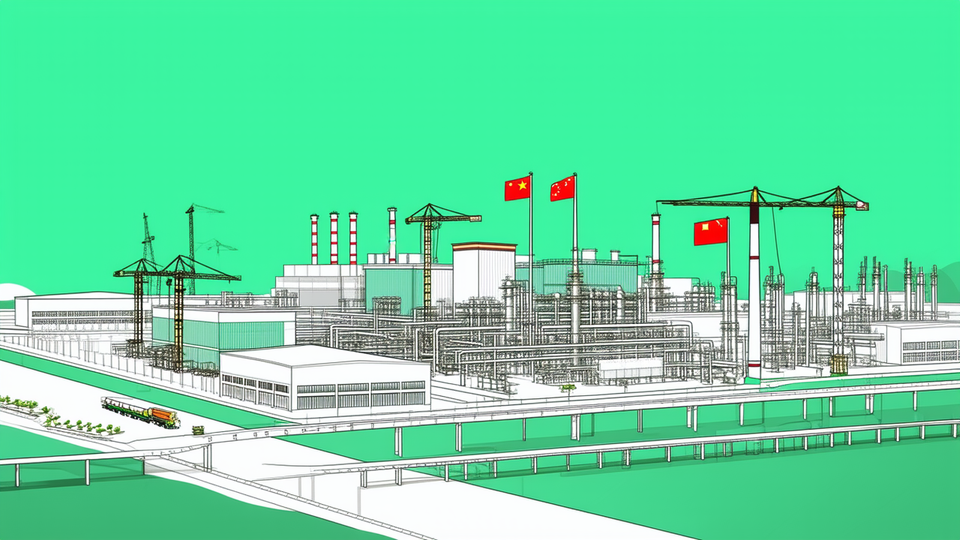
Rahman’s team announced a target of signing between fifteen and seventeen bilateral instruments during the China leg of the tour. Central to the agenda is the Chinese Economic and Industrial Zone in Chittagong, a $340 million project backed by nearly $25 billion in concessional loans. The zone is projected to create around one hundred thousand jobs and draw more than $500 million in initial foreign‑direct investment. In addition, discussions will cover the long‑delayed Teesta River project, which holds significant water‑sharing implications for both nations.
In Malaysia, the focus shifted to labor migration and the recruitment of Bangladeshi workers. Malaysia remains one of the largest destinations for Bangladeshi migrants, whose remittances are a vital source of foreign exchange. Rahman’s meetings aimed to secure new pathways for overseas employment, reinforcing the country’s strategy of pairing investment attraction with job creation.
Diplomatic and Regional Implications
The trip also carried diplomatic weight. Bangladesh’s relationship with India has improved since the Rahman administration took power in February 2024, yet border tensions and migrant management issues persist. By deepening ties with China, Bangladesh is balancing its external partnerships, a move noted by regional analysts as a means to diversify its strategic options.
During the visit, Rahman met Premier Li Qiang and President Xi Jinping at the World Economic Forum’s Summer Davos. The discussions highlighted China’s role as a major trading partner and development financier for Bangladesh. While improving ties with China, Rahman also stressed the importance of reducing the trade gap with Beijing and diversifying Bangladeshi exports, as later reported in a separate statement to President Xi.
Conclusion
Prime Minister Rahman’s inaugural foreign tour underscores Bangladesh’s dual pursuit of economic growth and strategic balance. By targeting large‑scale investment projects, expanding labor opportunities, and engaging with both China and Malaysia, the government aims to lift employment prospects and strengthen its position on the regional stage. The outcomes of the bilateral agreements and the Teesta River talks will be closely watched as indicators of Bangladesh’s evolving economic trajectory.