Australian PM Albanese Issues Apology After Inappropriate Kylie Minogue Comments
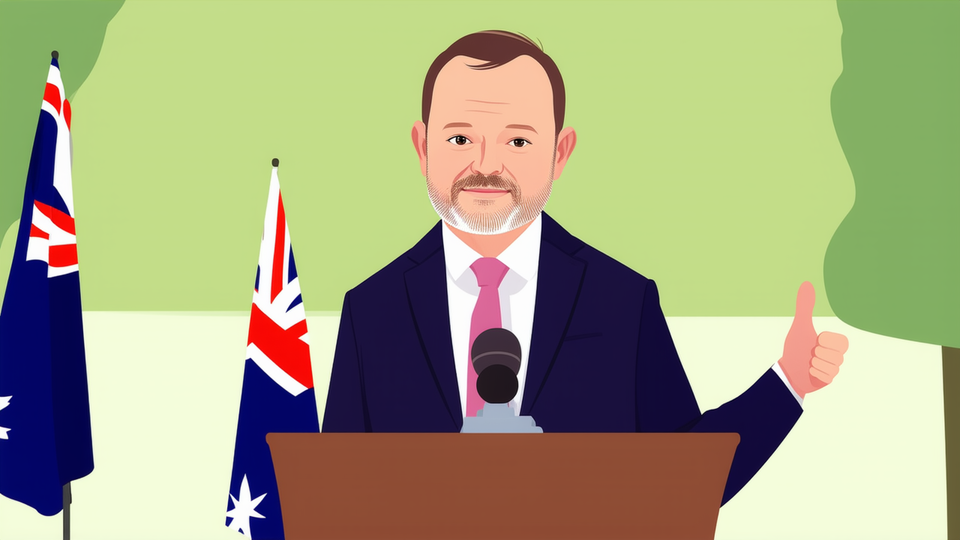
Albanese Apologizes for Inappropriate Comments About Kylie Minogue
In early July 2026, Australian Prime Minister Anthony Albanese appeared on the comedy podcast “Bush Deep” hosted by comedian Nikki Osborne. During a playful segment, Osborne asked the prime minister to choose among Kylie Minogue, Nicole Kidman, and Rhonda Burchmore for a “shag, marry, date” game. After initial hesitation, Albanese responded, “Oh, Kylie, clearly,” and affirmed that he would “shag, marry, and date” the singer, describing her as “terrific.” The remarks quickly migrated to social media and news outlets, where they were labeled disrespectful to women and unbecoming of the nation’s leader.
Criticism came from a broad spectrum of political figures and public commentators. Senator Sarah Henderson, a shadow minister for communications, called the comments “disrespectful to women, embarrassing to Australians and demean the office of Prime Minister.” Independent MP Zali Steggall echoed this sentiment, urging Albanese to “learn to push back, lead by example and call it out as sexist.” The response highlighted a growing intolerance for language that objectifies women, especially from public officials.
Recognizing the gravity of the backlash, Albanese’s office issued a concise one‑line apology on Monday, stating, “I apologise unequivocally for the comments.” The statement emphasized an attempt to restore public trust and reinforce the government’s ongoing commitment to gender‑equality initiatives. Deputy Prime Minister Richard Marles reinforced this approach, noting that the Albanese government boasts a historic balance of men and women in cabinet, achieving parity in representation.
The incident also sparked discussion about the role of informal media formats in political communication. While podcasts provide a platform for candid dialogue, they can blur the line between light‑hearted banter and the expectation of decorum from elected leaders. Critics suggested that leaders should be prepared to decline participation in segments that could undermine the dignity of their office.
Beyond the immediate controversy, the episode reinforced Australia’s broader cultural shift toward respectful treatment of women in public discourse. The government’s gender‑gap report for 2025 placed Australia 13th among 148 countries, reflecting progress that many officials are keen to protect. Albanese’s apology, though brief, was framed as an affirmation of those values and an acknowledgement that personal missteps can have public consequences.
In the days following the apology, public reaction remained mixed. Some commentators praised the swift acknowledgment, while others called for more substantive measures, such as formal training for officials on media engagement. Nevertheless, the episode underscored the importance of accountability and the expectation that political leaders uphold standards of respect, both in formal settings and informal conversations.
Overall, the controversy serves as a reminder that political figures operate under constant scrutiny, and language that may seem casual can quickly become a focal point for national dialogue on respect, gender equality, and the responsibilities of public office.