

Australia Leads the World with Under‑16 Social Media Ban
Introduction
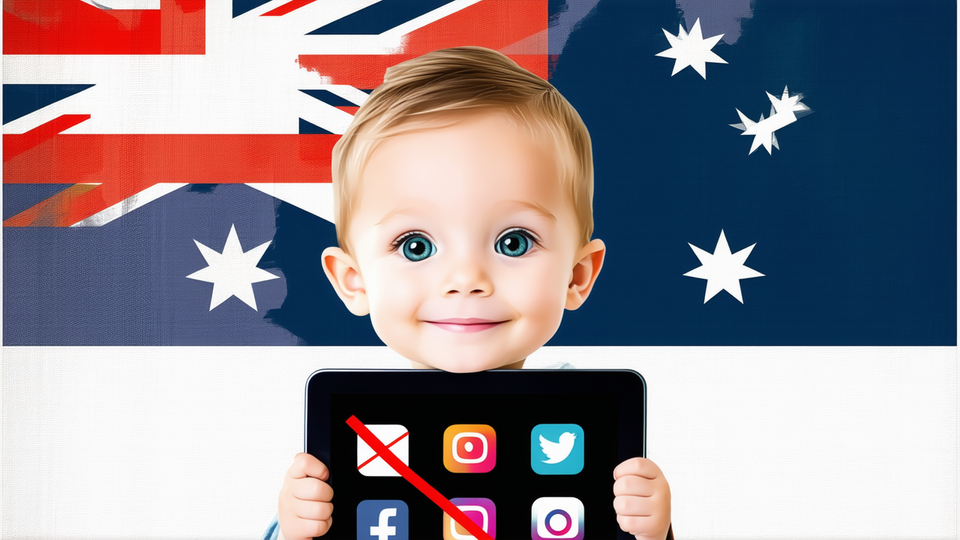
In December 2025 Australia became the first country to enforce a legal ban that prevents anyone under the age of 16 from accessing major social media platforms. The law applies to services such as TikTok, YouTube, Instagram and Facebook, and it represents a landmark effort to protect children from the mental‑health and safety risks associated with excessive online engagement.
Policy Details
The regulation requires platforms to verify the age of each user before granting access. Companies that fail to comply face penalties that were originally set at up to A$49.5 million (about US$35 million). In June 2026 the government announced a doubling of the maximum fine to A$99 million (about US$68 million) and gave the eSafety Commissioner stronger powers to compel evidence of compliance.
Implementation Challenges
Early data show that more than five million accounts belonging to under‑16 Australians have been deactivated or restricted. However, a British Medical Journal study of 408 adolescents found that 85 % of Australian teens aged 12‑15 were still using social media three months after the ban began, often by entering a false birth date or submitting a selfie that the platform accepted as proof of age.
Technology companies argue that the age‑assurance tools are “easily circumvented,” while regulators emphasize that the law is still new and that enforcement mechanisms are being refined. The eSafety Commissioner now has the ability to request detailed compliance records from platforms and to gather information from third‑party age‑verification providers.
International Impact
Australia’s move has sparked a wave of similar proposals worldwide. Britain plans to approve a comparable ban by early 2027, and several European nations—including Denmark, France, Germany, Greece and Spain—have announced plans to raise the minimum age for social‑media access or to require stricter age‑verification systems. The European Union is also drafting legislation that would ban access for children under 16 across the bloc.
These developments suggest that Australia’s policy is shaping a global conversation about how to balance the benefits of digital connectivity with the need to safeguard young users.
Future Outlook
The Australian government says it will continue to monitor the law’s effectiveness and may introduce additional measures if compliance remains low. Critics argue that education and parental involvement are essential complements to technical restrictions, while supporters view the ban as a bold step toward healthier online habits for the next generation.
As other countries watch Australia’s experience, the world may see a new standard for protecting children in the digital age.





