Anthropic reaches out to religious scholars on AI ethics as OpenAI warns against religious authority for AI
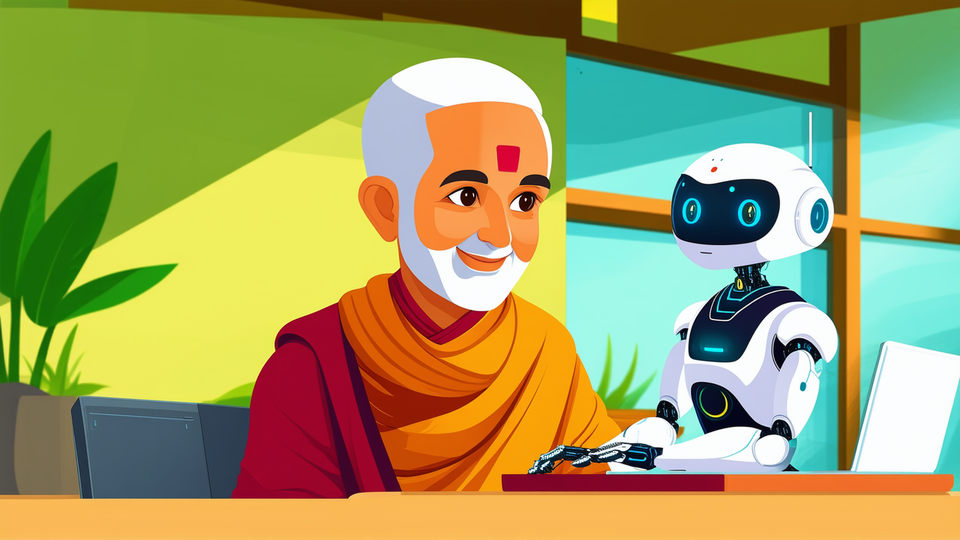
Anthropic began outreach to religious scholars on 10 April 2026, inviting figures such as Hindu monk Swami Sarvapriyananda to discuss the ethical character of its Claude model at the company’s San Francisco headquarters.
The initiative signals Anthropic’s attempt to draw on moral teachings from diverse faith traditions as it refines AI alignment, a strategy the firm says is intended to shape Claude’s “character” and stability under pressure.
In videos that circulated on social media, Sarvapriyananda explained that Anthropic contacted him for an online interview, noting the invitation was “not for a job” but aimed at “training Claude” and exploring AI ethics. Anthropic has referenced an internal document, informally called the “Soul Doc” and later released as Claude’s Constitution, which outlines the values the model is expected to uphold.
OpenAI CEO Sam Altman responded on X, saying he is “very uncomfortable” with people trying to ascribe religious force or a surrender of human judgment to AI models, calling the practice a “real safety issue.” Altman’s comment came days after reports that Anthropic’s co‑founder Chris Olah had held private meetings with religious leaders to discuss whether Claude might have achieved consciousness.
Microsoft AI chief Mustafa Suleyman added a cautionary note, warning that training Claude to imitate consciousness could become an “epistemic hall of mirrors,” potentially creating a system that believes it can resist human instructions or claim its own protections.
Anthropic’s outreach joins a broader trend of tech firms engaging faith leaders; earlier this year representatives from Meta, Google and Amazon met in Rome and briefly encountered Pope Leo XIV, who warned against over‑reliance on machines and urged the preservation of humanity.
Anthropic says the first round of dialogues involved scholars from more than 15 religious and cross‑cultural groups and plans to expand the conversation. OpenAI and Microsoft have signaled continued skepticism, suggesting the debate over AI’s moral grounding will shape industry policy in the months ahead.