Andy Burnham Eyes Labour Leadership Contender, Boosted by Makerfield By‑Election
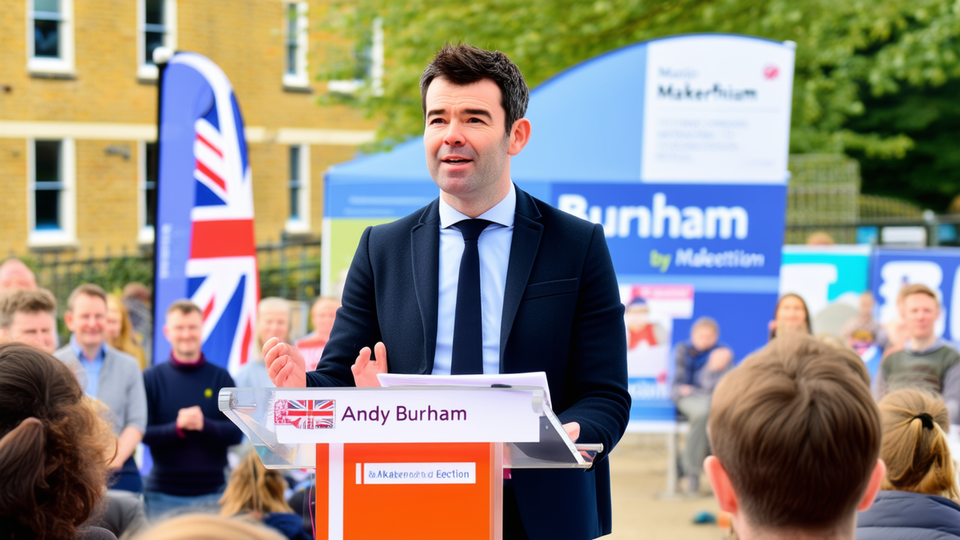
Andy Burnham Eyes Labour Leadership Contender, Boosted by Makerfield By‑Election
The Greater Manchester Mayor has made it clear that a victory in the Makerfield by‑election will be the springboard for his ambitions to enter any forthcoming Labour leadership contest. Burnham, 56, has long cultivated a reputation as an outsider who has transformed the Manchester area through infrastructure and public services.
Makerfield’s By‑Election and Its Significance
The by‑election, scheduled for 18 June, was set in motion after Labour MP Josh Simons resigned, offering Burnham a seat in Westminster and the chance to challenge the current party leader. The constituency, situated within Greater Manchester, carries a 120‑year Labour legacy. However, the recent local elections saw the hard‑right Reform UK take 24 of 25 council seats in the area, raising questions about Burnham’s prospects.
Burnham’s Leadership Aspirations
During an audience on BBC Question Time, Burnham declared he would “take the fight to change politics and change this county as high as I could.” He has also indicated his willingness to enter any contest should he win the seat, a stance that aligns with several Labour MPs who have called for a leadership challenge.
Local Reaction and Opposition Voices
Reform UK contender Rob Kenyon, a local plumber and councillor, warned against using Makerfield merely as a “stepping stone.” He criticized Burnham’s mayoral record as “successful in Manchester but not in Wigan,” reflecting a division among voters. Conservative candidate Michael Winstanley further condemned the by‑election strategy, questioning Burnham’s commitment to his mayoral duties.
National Ramifications
For the Labour party, a Burnham victory could signal a shift toward more centrist, urban‑focused leadership. The national press has highlighted the potential for a change that may erode Prime Minister Keir Starmer’s hold on the party, especially after recent cabinet resignations including former Health Secretary Wes Streeting.
Immigration remains a key issue; local residents in Ashton‑in‑Makerfield voice concerns that “high levels of immigration strain services.” This mirrors the national narrative that has fueled Reform UK’s surge. The by‑election is therefore not just a local contest, but a bellwether for the future direction of the Labour party’s policies on social services, housing, and community cohesion.
On 30 July, the Greater Manchester Combined Authority confirmed the final date for a mayoral by‑election should Burnham win, aiming to maximise voter participation and avoid the peak holiday period.
As the campaign period unfolds, the political landscape of Great Britain watches closely. Whether Burnham can convert local momentum into national leadership will determine the next chapter in the Labour Party’s history and the wider political trajectory of the United Kingdom.