

Amber Heat Alert Hits Norfolk: How Residents and Services Are Coping
Amber heat alert and the city’s response
The Met Office has placed an amber extreme‑heat warning over Norfolk, effective until Friday at 21:00 BST. Forecasts predict daytime highs climbing to 34 °C, with a brief dip to 30 °C on Thursday before rising again. Night temperatures are expected to fall into the low teens, while Sunday may see temperatures around 25 °C.
Schools across the county have responded by closing five institutions or moving to partial closures. The Department for Education has not set a maximum temperature limit for schools, but officials are urging pupils to bring extra water, wear hats and sunscreen, and, when possible, attend physical‑education sessions in cooler kits.
Hospitals are under strain as the Norfolk and Norwich University Hospitals NHS Foundation Trust declared a critical incident after its MRI machines stopped working due to overheating. All MRI scanners are currently offline, and more than 250 outpatient appointments have been cancelled. Health officials are reminding the public to watch for signs of heat exhaustion and heatstroke.
Transport operators are also adapting. Greater Anglia warned travellers of potential delays caused by sagging overhead cables and reduced train speeds. Network Rail expects amended timetables and advises passengers to travel only if essential. No rail replacement buses are planned for cancellations.
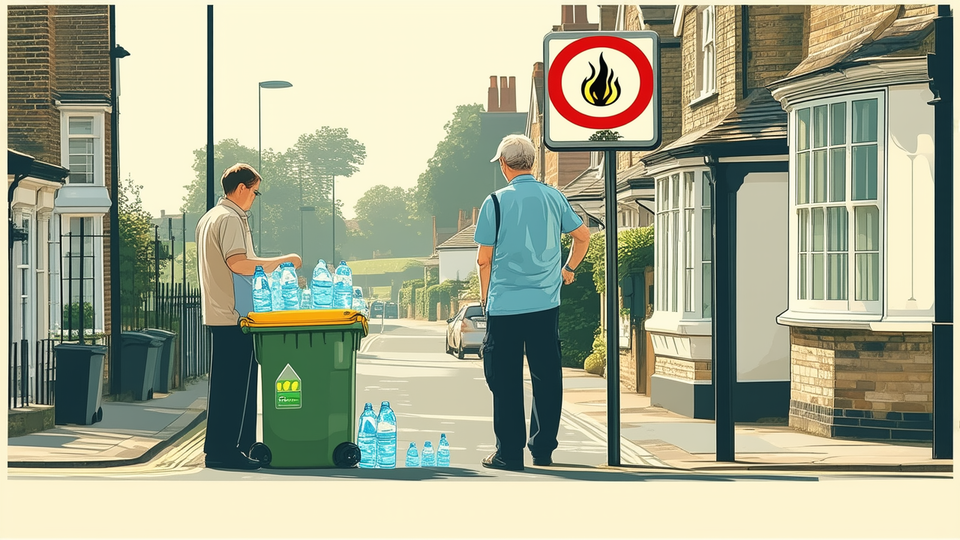
Norwich City Council has activated a severe weather emergency protocol, which will stay in force until Sunday morning. The measures include offering emergency packs with water and sun protection to the homeless, moving bin collections to earlier in the day, and encouraging residents to check on vulnerable neighbours, especially the elderly and those with long‑term health conditions.
The Norfolk and Suffolk Integrated Care Board emphasises common‑sense advice: stay hydrated, avoid strenuous outdoor activity during peak heat, and use cooling centres where available. Local councils are promoting the use of cooling centres, and the RNLI urges beachgoers to remember that coastal waters remain dangerously cold, increasing the risk of cold‑water shock.
Fire services are on high alert for wildfires, urging residents to avoid disposable barbecues, fully extinguish cigarettes, and properly dispose of litter. The Norfolk Fire and Rescue Service is reminding the public that even small sparks can ignite a blaze under these conditions.
Overall, the coordinated response across education, health, transport and emergency services aims to reduce the impact of the heat wave on Norfolk’s residents. By following official guidance and taking proactive steps, the community can stay safe while the extreme temperatures subside later in the week.





