

Alito Claims Sotomayor “Blindsided” Him in Heated Immigration Dissent – June 25, 2026
Introduction
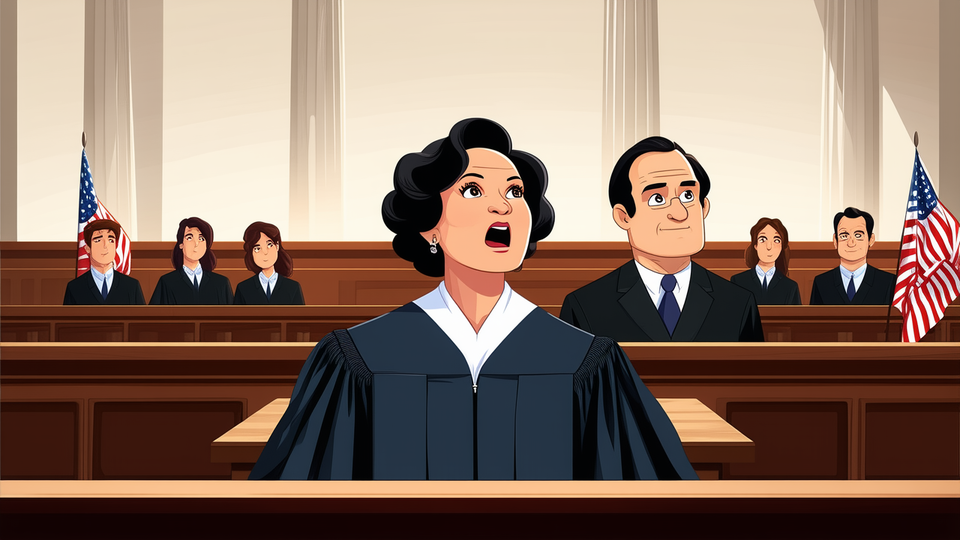
On June 25, 2026, a rare moment of courtroom tension unfolded inside the United States Supreme Court as Justice Samuel Alito described Justice Sonia Sotomayor’s oral dissent as a “blindsiding” surprise. The clash centered on a high‑profile immigration decision that affirmed the Trump administration’s authority to turn back asylum seekers at the southern border.
Background and Majority Opinion
Justice Alito authored the majority opinion, which limited the ability of individuals standing at the U.S.–Mexico border to invoke asylum protections before physically entering the United States. The ruling emphasized that asylum eligibility begins only after a person has set foot on U.S. soil, thereby reinforcing a stricter interpretation of immigration statutes and supporting the administration’s policy of “metering” arrivals.
Sotomayor’s Dissent
Justice Sotomayor responded with an impassioned oral dissent that lasted more than ten minutes, far longer than Alito’s brief six‑minute statement. She invoked the 1939 tragedy of the M.S. St. Louis, when 900 Jewish refugees were denied entry to the United States and later perished in the Holocaust. Sotomayor argued that U.S. asylum law, shaped by post‑World War II commitments, obliges the nation to protect those fleeing persecution, even if they have not yet crossed the border.
Alito’s Reaction
After Sotomayor concluded, Justice Alito turned to the public and the press, stating, “If I had known what the dissent was going to say, I would have explained my ruling more.” He emphasized that the policy had been supported by both the Obama and Trump administrations, noting continuity across political lines. Alito’s visible frustration marked an unusual departure from the Court’s typical restraint.
Significance and Impact
The exchange underscored the deep ideological divide over U.S. immigration policy. While the majority framed the decision as a matter of legal interpretation, Sotomayor’s dissent highlighted humanitarian concerns and the moral legacy of past refugee crises. Observers noted that such oral dissent is rare, and the emotional intensity of the moment signaled a possible shift in how the Court handles contentious policy disputes.
Conclusion
The June 25 hearing will be remembered as a vivid illustration of the Supreme Court’s internal dynamics when confronting polarizing national issues. Alito’s accusation of being blindsided and Sotomayor’s historic appeal to humanitarian principles together reflect the enduring tension between legal strictness and moral responsibility in American jurisprudence.





